
A Different Kind of Opening
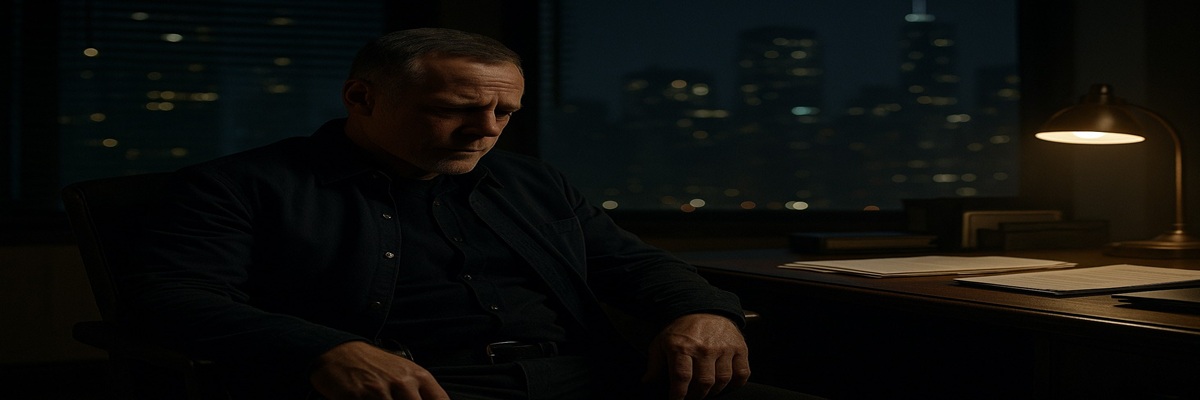
Television crime dramas rarely surprise audiences after more than a decade on air, but Chicago P.D. Season 13, Episode 3 managed to do just that. The episode, titled “Canaryville,” caught fans off guard with its somber and introspective voiceover. It was an unusual storytelling choice for the series, which is known more for its street-level realism than internal narration. Yet that choice set the tone instantly, creating a sense of reflection and tension that carried through the entire story.
The episode begins not with action or sirens, but with quiet words that sound more like a confession than commentary. The narration unfolds like a memory, guiding the audience through what feels like a personal reckoning rather than a police case. It is a reminder that in the right hands, voiceover can transform familiar television beats into something more human.
The performance itself became a topic of discussion after the episode aired. Viewers wanted to know whose voice carried that weight and calm, and NBC Insider later confirmed it belonged to Jason Beghe, who plays Sergeant Hank Voight. His deep, gravelly tone is unmistakable, yet in “Canaryville,” it took on a new dimension, less commanding, more haunted. Fans described it as a version of Voight that the camera never shows: reflective, worn down, and honest.
That shift worked because the voiceover was not treated as exposition. It sounded as if it was meant only for the character himself, letting audiences overhear thoughts that would normally stay buried. In a series built on confrontation and intensity, the restraint in Beghe’s delivery stood out. The performance reminded viewers that great voice work often lies in knowing when to underplay emotion rather than amplify it.
How Voiceover Changes the Rules of Crime Drama
The use of narration in Chicago P.D. felt deliberate and carefully timed. Instead of speeding into action, the episode lingered in stillness. The voiceover did more than fill the silence; it created an emotional echo. Viewers were pulled into the moral uncertainty of the story, experiencing events less as observers and more as participants in a personal confession.
Voiceover is often seen as a narrative shortcut, but when handled with purpose, it becomes a storytelling tool that deepens character study. In “Canaryville,” it served exactly that role. The episode explored loss, guilt, and the cost of leadership. The quiet narration connected these themes more effectively than dialogue ever could. It gave the audience space to absorb the story rather than simply react to it.
Few crime dramas use this technique successfully. Shows in the genre typically rely on momentum, solving cases rather than exploring what those cases do to the people involved. Here, the narration slowed everything down. It allowed emotion to breathe. It gave Voight a voice beyond the gravel-throated detective and turned him into a man processing the consequences of his choices.
This approach mirrors what many skilled voice actors train for: finding intimacy within performance. In interviews, professional narrators often speak about the importance of restraint, about letting silence and breath carry as much weight as words. That is what Jason Beghe achieved here. His tone felt measured, grounded, and true to character. It showed that even actors known for physical intensity can deliver powerful performances through stillness and sound alone.
The reaction from fans and critics alike proved that the choice paid off. Coverage across entertainment outlets described the narration as “chilling,” “unsettling,” and “beautifully human.” It became one of the most-discussed creative decisions of the season because it offered a new emotional angle for a long-running series.
The use of voiceover in Chicago P.D. also highlights a broader truth about performance in modern television. Viewers have become more attuned to the subtleties of sound. Whether through streaming, podcasts, or audiobooks, the spoken voice has regained cultural importance as a tool for immersion. When an actor uses that power effectively, it connects instantly.
For voiceover professionals, “Canaryville” is an example of how the craft can elevate even the most established formats. The right tone can shift an audience’s perception of a character in seconds. It shows that narration, when approached with sincerity and precision, is not just a stylistic flourish; it is storytelling through sound.
The success of “Canaryville” has already sparked conversation about whether Chicago P.D. will continue experimenting with this technique. Even if it does not, the episode stands as proof that voiceover still has a place in modern television when treated with care. It reminded viewers that beneath the procedural structure of a show lies something much deeper: the voice that carries emotion when the camera cuts away.