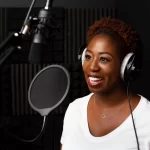

The upcoming narrative-driven game Dispatch has drawn attention for more than its premise. While many recent conversations in the gaming world revolve around the rise of AI-generated voices, Dispatch positions itself firmly on the opposite side of that debate. The developers have emphasized their commitment to real performers, underscoring how human interpretation and emotional nuance play a central role in shaping the game’s atmosphere.
The game’s story places players in the role of an emergency call dispatcher navigating a series of escalating situations. Its design relies heavily on dialogue, tension, and the delivery of voices that feel grounded and believable. Because so much of the experience depends on tone and subtle emotional shifts, the studio made clear that AI-generated performances were never an option. The team explained that artificial voices lack the creativity, intuition, and spontaneity needed for a story that responds to human emotion.
This position arrives at a time when the gaming industry is divided about AI voice work. The controversy surrounding Arc Raiders led to broader discussions about transparency and the limits of synthetic dialogue. In contrast, Dispatch stands as an example of a project that views performance as the heart of the experience and believes that replacing actors with automation would fundamentally change the game’s impact. The developers want players to feel the urgency and vulnerability in each moment, which requires the depth that only trained voice actors can provide.
Their stance quickly resonated with players who prefer story-driven games with emotional weight. Audiences often pick up on subtle details that distinguish a real performance from a machine-generated one, and the studio behind Dispatch is confident that its commitment to authenticity will elevate the final product.
The Voice Cast Behind Dispatch
One of the strengths behind Dispatch is its carefully selected voice cast. Because the game’s tension depends so much on delivery, the developers sought performers who could carry emotional complexity and natural pacing. The result is a lineup of actors with experience across games, audio dramas, and animation.
Below is the confirmed list of voice actors featured in Dispatch:
Voice Cast
- Alex Jordan
- Charlotte Penfield
- Marcus Garvey
- Rachel Handshaw
- Dominic Allen
- Ella Newell
- Ian Porter
- Tristan D. Lalla
- Maria Pendolino
Each actor contributes to the unfolding story through characters who interact with the player during high-pressure moments. Some portray callers experiencing distress, while others provide background information, guidance, or complications that shape the storyline. What makes their involvement effective is the way each performance reflects the character’s emotional state. Whether the situation is quiet and unsettling or panicked and chaotic, the actors ensure that lines feel real rather than mechanically produced.
The cast’s overall style reflects the developers’ desire for grounded realism. Reviewers who previewed the game noted that callers sound like actual individuals rather than scripted archetypes. This creates a sense of connection between the player and the voices on the other end of the line. Because the game uses branching responses and unexpected turns, the actors also needed to maintain consistency across multiple emotional paths. Their performances help maintain tension throughout, giving the narrative a sense of unpredictability that relies on genuine emotion.
By relying on trained actors, Dispatch also ensures that each moment feels anchored in intention. Instead of artificial voices delivering polished but flat lines, the cast brings rhythm, struggle, and personality. These qualities support the immersive storytelling that defines the experience and highlight why human performance remains crucial in games built around dialogue.
How Dispatch Pushes Back Against AI-Driven Game Development
The developers behind Dispatch have spoken directly about why they believe AI-generated voices cannot replace trained actors, especially in narrative-heavy experiences. Their stance is not rooted in technological resistance, but in an understanding of what makes storytelling effective. They argue that creativity and emotional interpretation are core aspects of voice acting, and that machine-generated performances lack these qualities.
In interviews, members of the team shared concerns that the industry’s push toward AI could weaken the artistic foundation of games reliant on human performance. They emphasized that actors bring insight, personal experience, and improvisational skill into the recording booth. These elements influence not only the sound of a line, but also the pacing, intensity, and emotional resonance of a scene. AI models, by contrast, reproduce patterns without understanding intention.
This philosophy distinguishes Dispatch from games that rely on synthetic voices to cut costs or accelerate production. While AI can provide quick prototypes during development, the team insists that final performances must be human to maintain authenticity. Their commitment highlights a growing movement among developers who want to protect the creative identities of voice actors within an industry undergoing rapid technological change.
The timing of Dispatch’s release adds weight to the conversation. With more studios experimenting with AI voices, the game stands as a reminder of what is gained when actors remain central to storytelling. Players drawn to emotional and character-driven experiences often express appreciation for games that prioritize natural delivery, and Dispatch is positioned to appeal strongly to that audience.
Dispatch arrives during a pivotal moment in the gaming industry, where debates about AI and creative authenticity are becoming increasingly prominent. By choosing human voice actors and rejecting synthetic performances, the developers have reinforced the value of emotional nuance and genuine interpretation. Their cast brings the story to life in ways that automation cannot replicate, offering an experience built on connection, tension, and the power of real voices.