
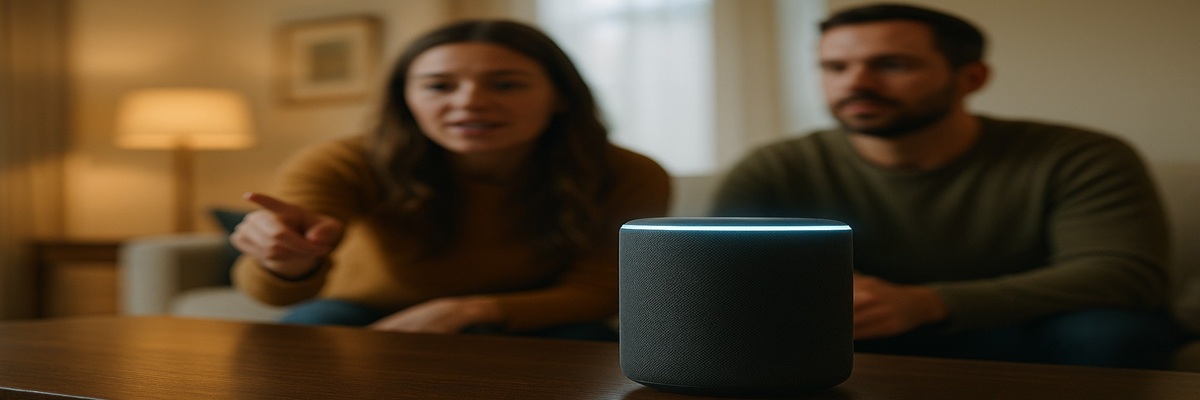
For nearly a decade, Amazon’s Alexa has been one of the most recognizable voices in technology, calm, conversational, and instantly familiar. But as artificial intelligence continues to advance, Amazon is preparing a major overhaul that could redefine the virtual assistant experience entirely. According to a report from an established technology outlet, the company is developing a new generation of Alexa that uses more advanced generative voice models, marking a shift from traditional recordings toward synthetic speech that adapts in real time.
The next phase of Alexa’s evolution appears focused on creating a more dynamic, emotionally aware assistant, one capable of speaking with tone, personality, and memory. Amazon representatives have hinted that the updated voice system will make conversations feel more natural and personalized, suggesting an AI that can respond with empathy, humor, or subtle inflection depending on the context.
While the upgrade could transform how millions of users interact with their devices, it also raises important questions for the people who helped define Alexa’s sound in the first place: voice actors. For years, Alexa’s voice has been described as a mix of human performance and digital modeling, but with the arrival of generative systems, that balance may be changing dramatically.
The Human Element Behind the Machine
Amazon has never publicly confirmed the identity of the original Alexa voice actor, referring instead to the process as a “fusion of voice talent and technology.” That phrasing is now taking on new meaning. With the latest tools capable of learning speech patterns and replicating emotional delivery, the distinction between authentic and synthetic performance is becoming increasingly blurred.
Industry experts say this could have far-reaching implications for professional voice artists. As digital voices grow more expressive, they may start replacing roles once filled by humans unless new protections and agreements ensure that the people whose voices help train these systems are properly credited and compensated. Unions and advocacy groups within the entertainment industry have already begun discussing standards for consent and fair usage when it comes to voice cloning and AI training.
From Assistant to Conversational Companion
The vision for Alexa’s future seems to go beyond answering questions or controlling smart home devices. In recent demonstrations, the assistant appeared capable of holding ongoing conversations, remembering details from prior interactions, and adapting its tone to match the user’s mood. This shift signals a new chapter where Alexa functions more like a digital companion than a simple command-based tool.
While this evolution is exciting from a technological standpoint, it also highlights a cultural crossroads. The same innovation that allows Alexa to sound more human may simultaneously distance actual human performers from the process. Voice actors now find themselves confronting a reality where technology doesn’t just imitate their craft, it learns from it.
The Changing Relationship Between Voice and Technology
The evolution of Alexa represents more than a technical upgrade; it reflects a broader transformation in how voices shape human interaction with machines. What was once a novelty has now become a daily presence in millions of homes. The voice that greets users, answers questions, and manages routines has quietly become part of everyday life. As Amazon explores new AI-driven methods of generating speech, that voice may soon become customizable, fluid, and even self-learning.
Industry insiders have suggested that the company’s goal is to make Alexa feel “alive” in a conversational sense, able to adjust tone and mood depending on the user’s behavior. Instead of a static personality, future versions could allow users to select emotional depth or even regional accents, tailoring Alexa’s voice to individual preference. While this creates an exciting sense of personalization, it also reinforces a growing concern: what happens to the original human influence once an AI-generated voice can reproduce endless variations of tone and character?
For professional voice actors, the answer is both complex and uncertain. Some see opportunity in collaboration, licensing their voices for AI training under clear contracts that grant compensation and control. Others remain wary, emphasizing that once a voice is digitized and replicated, maintaining ownership becomes difficult. The question of where human artistry ends and automated synthesis begins is quickly becoming one of the defining creative debates of the era.
The Emotional Factor of a Familiar Voice
One of Alexa’s strongest assets has always been its familiarity. For many users, the consistent, calm tone feels like part of the household, a voice that’s both efficient and reassuring. If Amazon’s future updates alter that voice too drastically, it could reshape the emotional relationship people have built with their devices. The company appears aware of this, with reports suggesting that any new system will aim to preserve the essence of Alexa’s recognizable sound while expanding its expressive range.
This careful balance mirrors a broader trend across the voice technology landscape. Many developers are now blending human and synthetic elements to create speech that feels authentic without requiring continuous human performance. It’s a hybrid model designed to retain personality while delivering the flexibility that AI enables. However, that model still relies on the skill, emotion, and tonal grounding that human actors provide, often without clear acknowledgment.
What This Means for the Industry
As generative voice technology becomes more advanced, the entertainment and advertising sectors are paying close attention. Brands and production studios have long relied on voice actors to bring warmth, trust, and humanity to digital experiences. The next iteration of Alexa and similar systems from competing companies could redefine those roles entirely.
Rather than replacing human talent, many experts argue that the best outcomes will come from partnership. Voice actors who adapt to emerging tools, license their vocal likenesses responsibly, and learn how generative systems work could position themselves at the forefront of a new creative field. But without safeguards, the same innovation that broadens opportunity might also erode the foundation of professional voice work as it exists today.
Preserving the Human Touch
While the push toward AI-driven voice technology is accelerating, many professionals within the voiceover industry stress that the human element remains irreplaceable. No matter how advanced generative speech becomes, there’s an emotional intelligence that machines still struggle to replicate the subtle timing, imperfections, and empathy that define genuine performance. These qualities are what make a voice believable, and they’re often what brands rely on most when connecting with audiences.
For Amazon, the challenge lies in balancing innovation with authenticity. Creating a smarter, more adaptive Alexa is a natural step forward, but if the shift moves too far toward automation, it risks losing the warmth and humanity that made the assistant iconic in the first place. It’s a dilemma echoed across the technology world: how to integrate artificial intelligence in ways that enhance, rather than erase, the human contribution.
Voice actors, meanwhile, are navigating this evolving landscape by redefining their role within it. Many are exploring voice licensing partnerships, becoming consultants for AI training projects, or focusing on areas of performance that rely on emotional depth, the kind that synthetic voices still can’t convincingly capture. The rise of AI voices may not signal an end to traditional voice acting, but rather a new chapter where human creativity and technology coexist more intentionally.
A Shifting Soundscape
The reimagining of Alexa also points to a larger cultural shift in how we perceive voices in technology. In the early years of digital assistants, the goal was clarity and neutrality, a voice that sounded competent, efficient, and unthreatening. Now, the trend is moving toward individuality and emotion. Users want assistants that not only understand their commands but also mirror their tone, respond with empathy, and even show personality.
This desire for more human-like interaction underscores why the ethical treatment of real human voices matters. Every synthesized tone originates from human influence on someone’s vocal character, someone’s emotional delivery. Acknowledging and protecting that creative source ensures that progress in voice technology respects the people behind it.
The Voice Ahead
Alexa’s next chapter could redefine what it means to “speak” with technology. As the line between natural and artificial voices becomes increasingly blurred, both developers and performers face the task of shaping this new era responsibly. For users, the result may be an assistant that feels more conversational than ever before. For voice actors, it’s a reminder that their craft continues to shape the sound of technology even when their voices are no longer the ones being heard directly.
The evolution of Alexa is more than a story about software updates or new features. It’s about how humanity continues to leave its mark on machines that now speak back. The future may bring countless new voices, but behind every one of them, there will always be traces of the human voice that started it all.