A Halloween Encore for Netflix’s K-Pop Phenomenon
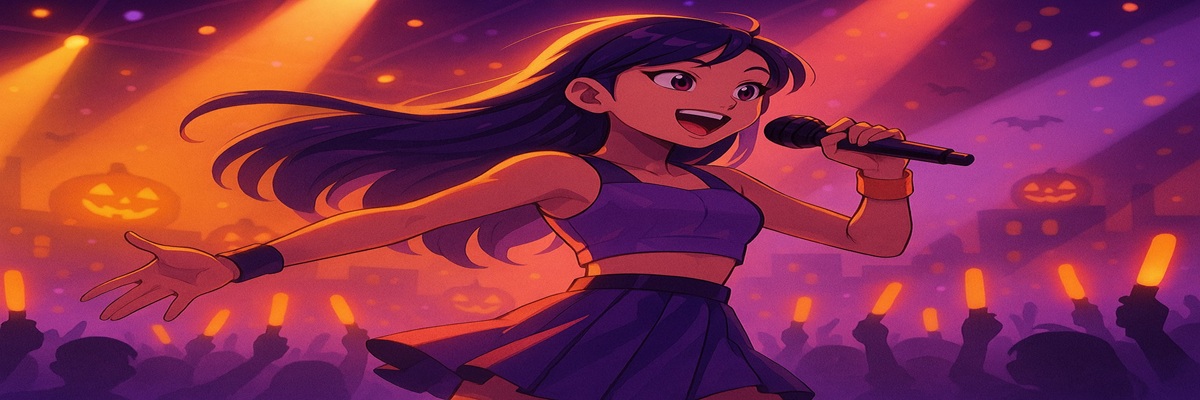
Netflix is giving K-Pop: Demon Hunters a second act this time, one that sings back. The streaming platform’s Halloween Sing-Along edition of its breakout animated film is more than a seasonal treat; it’s a full-scale celebration of voice artistry and musical storytelling.
When the film first launched, it stood out not just for its dynamic visuals and supernatural energy but for its sound. Every line, lyric, and beat was driven by the charisma of its voice cast performers who balanced the intensity of K-pop performance with the emotional precision of cinematic acting. The new sing-along feature brings that artistry to the forefront, letting audiences join in while spotlighting the voices that carried the story.
The event feels like a clever extension of everything that made the original film work: energy, rhythm, and voice. And as Netflix frames it, the Sing-Along isn’t just for Halloween. It’s a reminder that great animation often begins not with drawings, but with voices.
The Film That Found Its Voice
When K-Pop: Demon Hunters premiered earlier this year, it arrived like a lightning bolt. The film blended K-pop-inspired sound, urban fantasy, and heartwarming sisterhood into something fresh for global audiences. What caught many viewers off guard, though, was how good it sounded.
The voice acting, from high-intensity battle cries to emotionally charged ballads, set a new bar for animated musicals. Each character spoke and sang with a rhythm that echoed real K-pop cadence: crisp diction, emotional phrasing, and moments of deliberate vocal flair that mimic live performance. It wasn’t just dialogue; it was vocal choreography.
The creative team behind the film treated the cast less like traditional animation performers and more like a recording group. Each actor worked closely with vocal coaches and directors to perfect timing, pitch, and attitude. This hybrid approach, merging the methods of a pop album with those of an animated feature, gave the movie a distinct energy.
And it paid off. Within weeks of release, K-Pop: Demon Hunters ranked among Netflix’s most-streamed animated titles, particularly across Asia, North America, and Latin America. Audiences weren’t just watching; they were replaying the songs, memorizing the lines, and perhaps inevitably singing along.
Inside the Soundtrack: The Voices That Carried the Beat
The film’s soundtrack became one of its biggest talking points. Built around original pop anthems infused with Korean, EDM, and cinematic elements, it stood apart from typical animated musicals. The result was something closer to a full studio album than a film score, complete with earworm choruses and danceable production.
Behind that success were the voice artists, whose performances gave each track its emotion. Unlike pop idols, who record in layered takes to perfect vocal tone, these performers had to sing as their characters, maintaining personality, story context, and emotional authenticity in every line.
Netflix’s Tudum coverage of the soundtrack revealed that the sessions involved heavy collaboration between directors, composers, and the cast. Voice artists recorded multiple takes, emphasizing character growth, tone shifts, and dramatic tension. In some cases, actors were asked to re-sing lines to match the animation’s rhythm, while in others, animators adjusted their timing to follow the vocal expression.
This close exchange between sound and picture made K-Pop: Demon Hunters feel alive. Its songs didn’t just accompany the story; they drove it. And that foundation set the stage for what the Halloween Sing-Along would later become: an interactive tribute to those very performances.
The Halloween Sing-Along: Giving the Voices a New Stage
Netflix’s Halloween Sing-Along edition isn’t a simple re-release. It’s a full reimagining of the musical sequences, rebuilt for viewer participation and festive flair. New remixes feature atmospheric bass lines and darker harmonies, while the visuals take on a bold, autumnal tone. Neon becomes midnight; glitter turns to starlight.
But what really makes the Sing-Along shine is the way it foregrounds the voice performances. The mix accentuates layered vocals and harmonies, making every breath and emphasis more pronounced. Lyrics appear on screen with animated rhythm cues, inviting audiences to sing alongside the original cast, an experience that not only entertains but highlights the sheer skill behind those voices.
This version turns the film into a global karaoke event. Fans can perform the songs themselves while gaining a deeper appreciation for the voice artists’ timing and vocal dynamics. Every inflection, every rise and drop becomes something you can feel, not just hear.
It’s also a clever, creative statement. The Sing-Along reminds viewers that voice acting isn’t just performance, it’s music. By reintroducing the cast’s work in a participatory format, Netflix has effectively given the voices of K-pop: Demon Hunters their own encore.
From Studio Booths to Seasonal Stars: The Voice Cast Behind the Magic
The cast of K-Pop: Demon Hunters didn’t just act; they performed like vocal athletes. Each recording session demanded not only emotional accuracy but also musical consistency. Unlike standard dialogue sessions, these performances required sustained pitch control, phrasing precision, and dynamic range.
For example, the characters’ musical numbers often contained rapid shifts in emotion, moving from spoken dialogue into sung phrases within seconds. That seamless transition demanded exceptional breath control and an intuitive grasp of rhythm.
Behind the mic, the process was closer to pop production than traditional animation. Takes were layered, edited, and mixed to build harmonies while maintaining spontaneity. The voice directors worked like producers, guiding cast members through emotional “takes” much as a musician records multiple versions of a track.
And while Netflix hasn’t spotlighted individual voice actors in promotional materials, Tudum’s production notes make it clear that bilingual coordination played a significant role. Both the English and Korean versions required unique interpretations, not mere translation, but re-performance to preserve cultural and emotional context.
This level of vocal craft bridges the gap between singing and storytelling. It shows how modern voiceover work is evolving from narration or dialogue delivery into a full-fledged musical performance. The Halloween edition doesn’t just celebrate this skill; it invites the world to hear it in a new way.
The Legacy of Sound: What the Halloween Sing-Along Means for Voice Performance
With its Halloween Sing-Along, K-Pop: Demon Hunters has achieved something most animated films don’t: it has extended its life through sound. The project proves that voice and music are not supporting elements in storytelling; they’re the core of audience connection.
Netflix’s choice to revisit the film through an interactive, voice-centric lens marks a shift in how streaming platforms think about engagement. Instead of focusing on sequels or spinoffs, this strategy uses the performance itself vocal experience as the product. It’s an acknowledgment that fans don’t just want to watch their favorite characters sing; they want to join them.
The success of K-Pop: Demon Hunters also highlights how global audiences now recognize and value voice artistry. Viewers are more aware of who’s behind the mic, how characters sound across languages, and what goes into shaping that emotional resonance. For many, the Halloween Sing-Along becomes a masterclass in vocal storytelling, a showcase of how skilled performers can define a film’s rhythm, humor, and heart.
As the lines blur between music, animation, and voiceover, productions like this are setting a new creative standard. They prove that the “voice” in voice acting isn’t just about clarity, it’s about character, emotion, and sound that carries meaning even before the lyrics begin.
So while K-Pop: Demon Hunters may wear its Halloween costume for now, the voices behind it will outlast the season. Their performances have turned a stylish animated hit into something with lasting resonance, a film that doesn’t just speak or sing, but continues to echo.