
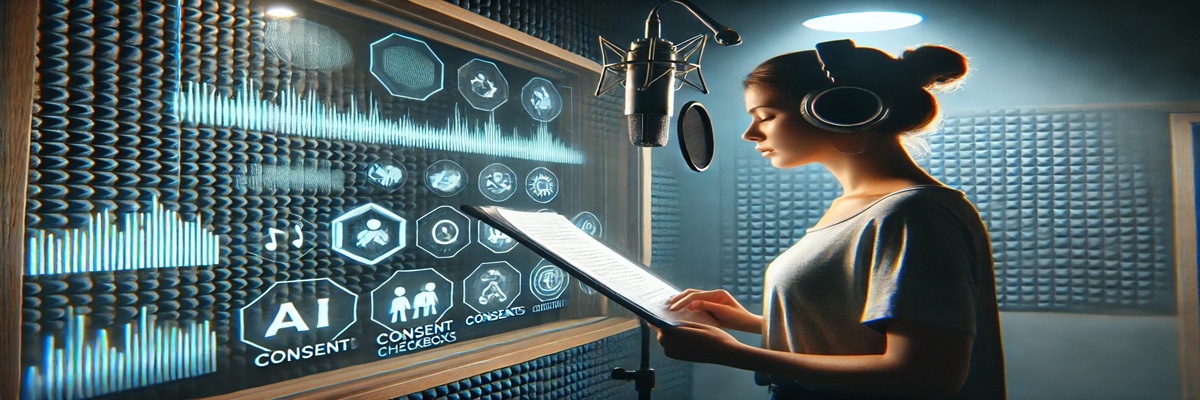
In a landmark agreement that could reshape the future of voice work in gaming, video game voice actors and major studios have officially ratified a new labor deal that includes unprecedented safeguards against unauthorized use of artificial intelligence. Finalized in July 2025, the agreement represents a significant win for voice actors after months of negotiations focused on AI replication, consent protocols, and long-term protections for human performance.
The deal, approved by members of SAG-AFTRA and a group of interactive media companies including Electronic Arts, Activision, and Insomniac Games, establishes clear rules for how and when synthetic voices and digital replicas can be used in games. Central to the agreement is a **consent-first model**, which requires studios to obtain explicit written permission from performers before capturing, replicating, or synthesizing their voices or likenesses through AI.
This is the first time such language has been ratified in a formal contract between voice actors and game developers, and industry leaders are calling it a “turning point” in how creative labor intersects with evolving technology.
Setting the Standard for AI Boundaries in Gaming
The growing use of AI-generated voices in video games has been a flashpoint in recent years. While some studios have explored synthetic performances as a tool for prototyping or background dialogue, voice actors have warned that unchecked use of this technology could lead to performers being replicated, altered, or replaced entirely—without consent or compensation.
The new agreement addresses that risk directly. Under the contract, any AI-generated use of a performer’s voice or likeness must be disclosed up front, negotiated separately, and agreed to in writing. This includes cloned voices, modified recordings, and any training data used to simulate or reproduce performance characteristics.
Performers also retain the right to decline digital replication, and contracts must include scope and duration limits for how synthetic voice data can be used.
For actors, this language is a game-changer. “We now have meaningful control over how our voices are captured and used in the future,” one SAG-AFTRA negotiator told Reuters. “It protects not just our work—but our identity.”
Union Win: Consent, Control, and Compensation
The agreement represents a major milestone for SAG-AFTRA, which had long argued that performers deserved greater control over their digital likenesses—not only to protect their creative rights, but to preserve their livelihoods in an industry racing toward automation. Until now, many voice actors feared that past recordings could be fed into AI models and used to generate new dialogue indefinitely, all without additional payment or approval.
Under the new terms, performers will be compensated separately for any AI-related use, with pay scales negotiated on a per-project basis. The contract does not ban synthetic voice use entirely, but it **establishes performer consent and transparency as the foundation** for all AI interactions going forward.
Studios that violate these terms would be in breach of contract, subject to union grievances or legal action. Industry observers say this level of protection is likely to influence other creative sectors as well, including animation, localization, and even audiobook production.
The agreement also includes safeguards around **emotional manipulation and unauthorized pairing**—ensuring that AI-replicated voices can’t be inserted into scenes or dialogue that might misrepresent the actor or damage their professional image. Voice actors will be able to request limitations on tone, context, and usage scope for any AI-generated performances that bear their vocal signature.
For many, this provision closes one of the most dangerous loopholes in synthetic voice use. Without it, actors risk having their voices twisted into dialogue they never recorded—or worse, content they would never approve.
Other Key Gains in the Agreement
While AI protections have received the most attention, the 2025 deal includes several additional provisions that voice actors had long fought for:
- Wage increases across the board, including retroactive adjustments for sessions conducted during the negotiation period
- Updated minimum session rates for both standard and performance capture voice work
- Enhanced health and pension contributions, bringing voice actor compensation closer in line with on-camera performers
- Improved session conditions, including clearer notice for vocally stressful roles and mandatory breaks during intense recording sessions
These elements reflect a broader push by performers to raise the standard for what safe, ethical voiceover labor looks like in the gaming industry. Voice actors working in combat-heavy games, fantasy epics, or horror titles often endure physically demanding sessions—with little recovery time or vocal safety oversight. With this contract, union actors will now have stronger protections built into their workflow.
Industry Impact and What Comes Next
The 2025 agreement is already being hailed as a model for future labor negotiations across creative industries. With synthetic voice tools now accessible to nearly any developer, studio, or hobbyist, setting boundaries for professional use has become essential. By defining when and how AI can replicate a human performance, this deal provides a template for other unions and regions to follow.
For studios, the agreement brings clarity as well. Many developers have expressed interest in responsibly integrating AI into their pipelines but lacked standardized guidelines for doing so. With these terms now in place, studios know exactly what is required to work with union talent—removing ambiguity around consent, compensation, and creative control.
Several non-signatory companies are reportedly reviewing the new standards as a possible framework for future collaboration, especially as voice actors outside the union begin asking for similar protections. Localization firms, AI voice startups, and indie developers are also paying close attention to how the rules will be enforced—and how flexible the consent process may be on smaller productions.
The agreement arrives at a critical time. AI tools are evolving fast, and the temptation to reduce costs by minimizing human labor remains a real threat. But as this deal proves, **efficiency doesn’t have to come at the expense of performers’ rights**. With the right structures in place, AI can coexist with human creativity without erasing the need for professional talent.
A Message from the Voice Acting Community
Following the announcement, voice actors took to social media to share their reactions—many expressing relief, pride, and a renewed sense of agency in their work.
“This isn’t just about a paycheck,” said one veteran performer. “It’s about having a voice in how our voice is used.”
That sentiment sums up the larger purpose behind the deal: putting consent and respect back at the center of the creative process. For an industry built on stories, characters, and the power of performance, that might be the most important clause of all.