
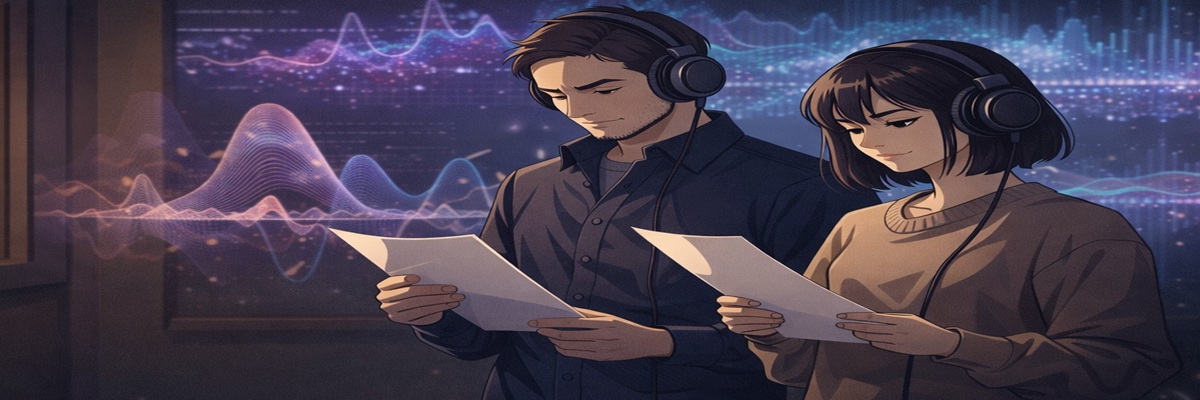
The global dubbing industry is facing a moment of real tension as automated voice systems move from experimental tools to real-world production tests. For years, synthetic speech technology has existed mostly in the background, used for internal demos or limited applications. That balance is shifting quickly. Major studios and streaming platforms are now testing automated dubbing for finished films and series, prompting concern from the professionals whose voices carry these performances across languages and cultures.
For voice actors who specialize in dubbing, the concern is not abstract. Localization work depends on emotional precision, timing, and cultural awareness, all delivered through consistent performances over long periods of time. When new technology enters that space promising faster turnarounds and lower costs, many performers see not innovation, but erosion. The fear is not that tools will assist workflows, but that they will replace performers entirely without consent or compensation.
This debate is gaining urgency because it is no longer hypothetical. Automated dubbing trials are already appearing on major platforms, often without clear disclosure to audiences or performers. That shift has pushed many voice actors to speak publicly, drawing a line around what they believe should remain human work.
Why Dubbing Voices Are Especially at Risk
Dubbing occupies a unique position within voice work. Unlike original performances, dubbed roles are built on matching another actor’s timing, emotional rhythm, and physical movement. A single role may stretch across multiple seasons, requiring vocal consistency that audiences subconsciously rely on. That consistency is one reason studios value dubbing specialists, but it is also why automated systems are being tested so aggressively in this space.
From a studio perspective, localization is expensive and time-sensitive. A series released globally needs multiple language versions ready within tight windows. Synthetic dubbing systems promise to replicate a voice across dozens of languages almost instantly. That efficiency is appealing on paper, but it ignores the creative role dubbing actors play. Localization is not just translation. It is interpretation. Humor, emotion, and cultural context shift from region to region, and performers adjust their delivery to match those nuances.
Actors worry that once a voice is captured and processed, control over its future use becomes unclear. Past recordings may be reused to generate new dialogue without fresh approval. Contracts written before this technology existed often lack protections against that scenario. For performers, this raises serious questions about ownership, consent, and professional survival.
Resistance From Performers and the Industry
What makes the current moment different from earlier technology debates is the level of organized resistance. Voice actors are no longer reacting quietly behind the scenes. Interviews, open letters, and union discussions are bringing these concerns into public view. Many performers are not rejecting new tools outright. Instead, they are asking for boundaries, transparency, and clear agreements that protect human contribution.
Some studios and localization professionals share these concerns. While automated systems may reduce costs in the short term, they also carry risks. Audience trust can erode when performances feel unnatural or disconnected. Viewers notice when emotion sounds flattened or when dialogue fails to align with character intent. That reaction can damage a brand just as quickly as it saves money.
There is also a growing cultural argument at play. Dubbing has long been a bridge between storytelling traditions, allowing audiences to connect with stories created in other languages. Removing human interpretation from that process changes what localization represents. Performers argue that voices are not interchangeable assets, but creative labor shaped by experience and context.
As platforms continue to test automated dubbing, the coming years may determine whether human performers remain central to localization or are pushed to the margins. For now, voice actors are making their position clear. They are not opposing progress, but they are demanding respect for the craft that has defined dubbing for decades.