
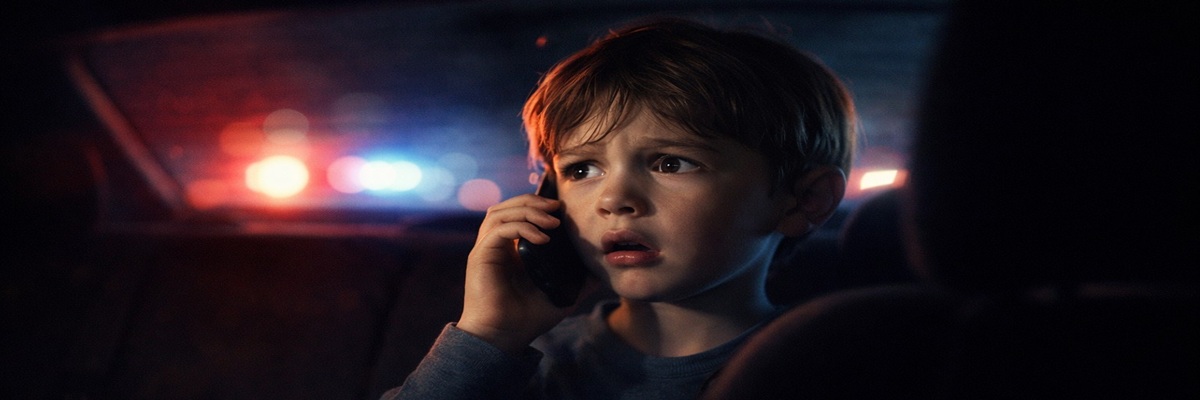
The Voice of Hind Rajab has become one of the most talked about short films during the current awards season. The project tells a deeply emotional story connected to real world events, using voice performance as a central element of the narrative. As the film gains attention ahead of the Academy Awards, one of its key contributors will not be present at the ceremony.
Actor Motaz Malhees, whose voice plays a central role in the film, reportedly cannot attend the Oscars due to travel restrictions related to his Palestinian citizenship. The situation has drawn additional attention to the film, which has already sparked conversations for the powerful way it tells its story.
The Story Behind The Voice of Hind Rajab
The Voice of Hind Rajab is built around the tragic story of a young Palestinian girl whose final moments became widely reported around the world. The film recreates the emotional weight of the events by focusing on the audio and voice elements connected to the story.
Rather than relying entirely on traditional on-screen storytelling, the film places strong emphasis on voice performance and sound to guide the audience through the events being depicted. This approach allows the filmmakers to present the story in a way that focuses on the human experience at the center of the tragedy.
Because of the powerful subject matter, the film has gained international attention. Festival screenings and media coverage have highlighted the way the project uses voice driven storytelling to connect viewers with the real-life events behind the narrative.
The recognition the film has received during awards season has brought it to the attention of audiences who may not have previously been aware of the story.
Motaz Malhees and the Film’s Voice Performance
Motaz Malhees provides the central voice performance in the film, helping to carry much of the emotional weight of the story. In projects like this, voice acting becomes one of the most important elements of the production.
Without relying heavily on traditional visual storytelling, the performance must communicate fear, urgency, and vulnerability through tone and delivery. A voice alone can guide the audience’s emotional response to the story.
Malhees’ performance plays a key role in shaping the film’s impact. Through voice, the project recreates moments that might otherwise be difficult to portray. The result is a narrative that draws viewers into the experience through sound and performance.
Voice driven storytelling has long been used in documentary and dramatic productions when filmmakers want audiences to focus on the emotional reality of an event. In this case, the voice performance helps connect viewers to the story in a direct and personal way.
Actor Unable to Attend the Oscars
Despite the attention surrounding the film, Malhees will reportedly not be able to attend the Academy Awards ceremony. Reports indicate that travel restrictions tied to his Palestinian citizenship prevent him from entering the United States for the event.
His absence highlights how global politics and travel policies can affect international film productions and the artists behind them. Even as films receive recognition on major stages like the Oscars, the people who helped create them may not always be able to participate in those moments.
For a project centered on voice performance, the situation carries a particular irony. The voice that helped bring the film’s story to life will not be present during one of the film industry’s most visible celebrations.
The Role of Voice in Powerful Storytelling
Projects like The Voice of Hind Rajab demonstrate how voice acting can become the emotional core of a film. When stories are built around real events, the authenticity of a voice performance can shape how audiences experience the narrative.
Voice narration, phone recordings, and audio based storytelling techniques allow filmmakers to present events in ways that feel immediate and personal. In some cases, hearing a voice can create a stronger emotional connection than traditional visual storytelling.
As the film continues to draw attention during awards season, the role of voice performance remains at the center of its impact. Even without appearing on screen at the Oscars, the voice that helped tell this story continues to resonate with audiences around the world.