
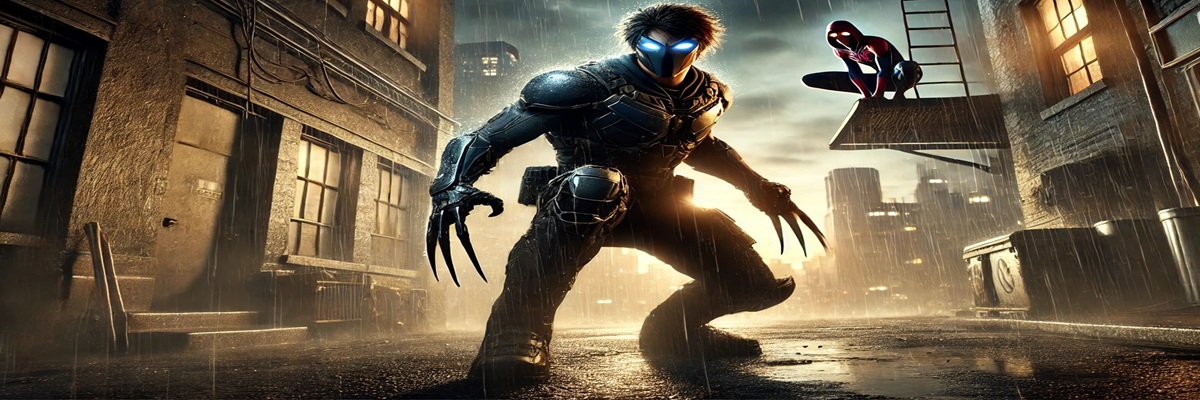
With Insomniac Games developing Marvel’s Wolverine for PlayStation 5, fans have reignited one of the most persistent questions in recent superhero gaming: Will Wolverine eventually cross paths with Spider-Man? The speculation intensified after recent interviews and reports hinted at Marvel’s interest in maintaining a connected presence across its major gaming titles. Although no official crossover has been confirmed, the idea continues to circulate because both characters now share the same developer and both exist within worlds shaped by Insomniac’s storytelling approach.
The earliest sparks came from fans noticing subtle tonal similarities between the trailers for Wolverine and the presentation style of the Spider-Man series. The conversation grew louder once media outlets began revisiting how Insomniac structured its Spider-Man universe. Some readers pointed out that Marvel has a history of allowing creative crossovers in its games, even if they are brief. Others believe the characters should remain separate because Wolverine’s narrative style demands a darker, more intense setting than the brighter tone associated with Peter Parker and Miles Morales.
Insomniac has responded cautiously, acknowledging the excitement while restating that the studio is deeply focused on making Wolverine its own experience. Marvel has also avoided confirming any shared universe details, although some of its published comments emphasized interest in reintroducing Wolverine with the same care and character-driven focus that elevated Spider-Man on PlayStation. Even without solid confirmation, fans continue to revisit the possibility because the connection between the two franchises is stronger than ever. The creative teams behind both games are aware of the enthusiasm and understand that modern superhero media often thrives on connections between characters.
Marvel’s Vision for Wolverine and Why Insomniac Was Chosen
One of the strongest insights into Marvel’s thinking comes from reports explaining why Insomniac was selected to lead Wolverine. Marvel wanted a studio capable of bringing the character back in a way described as spectacular and visceral. The company had just seen how Insomniac revitalized Spider-Man for a new generation, and the decision to hand them Wolverine indicates a high level of trust. Marvel viewed the studio as a proven partner that could handle emotional storytelling, fluid action, and a sense of personality unique to each character.
The Wolverine game is expected to establish a different tone from the Spider-Man titles. Where Peter Parker and Miles Morales balance lighthearted energy with emotional depth, Wolverine’s world demands raw intensity, physical impact, and a mood shaped by conflict rather than comedy. Reports suggest the team is building a game that feels heavier and more grounded, reflecting what players associate with Wolverine’s history. This shift allows Insomniac to explore creative techniques that were not part of the Spider-Man projects, including combat pacing, environmental storytelling, and the emotional complexity tied to Logan’s past.
Marvel’s selection of Insomniac also reveals something about the company’s growing interest in defining a consistent identity across its games. Whether or not crossovers happen, Marvel wants its characters to feel authentic and memorable. Giving both Spider-Man and Wolverine to the same studio allows for a more unified creative vision, even if the stories remain separate. It also shows confidence that Insomniac can handle the expectations of fans who want character-driven action rather than simple brand recognition. The approach has already proven successful for Spider-Man, and Marvel appears ready to see how that philosophy translates to a hero with a very different style.
Voice Actors at the Center of Marvel’s Gaming Universe
While crossover speculation dominates much of the conversation, the voice actors behind these characters remain essential to shaping how players experience them. Yuri Lowenthal, who portrays Peter Parker, recently discussed the responsibility that comes with voicing one of gaming’s most recognizable heroes. He emphasized the importance of emotional clarity, saying that Spider-Man’s voice must carry humor, fear, grief, and determination in a way that feels natural. Lowenthal described how sessions often required him to shift between lighthearted conversation and scenes filled with urgency or loss. These transitions define the character more than any single line.
Tara Platt, a veteran performer and Lowenthal’s creative partner, offered her own perspective on the demands of large-scale action games. She explained that consistency is one of the most difficult parts of voice acting. Characters often record out of sequence, so actors must keep track of emotional energy from moment to moment. Platt stressed that authenticity matters more than spectacle. Even in superhero stories filled with dramatic battles, players connect most strongly when the voice carries genuine emotion.
Their comments are especially relevant now that Marvel has multiple high-profile titles in development. Voice actors help define the personalities that players invest in across long campaigns. Even characters who appear for brief moments benefit from thoughtful performance. As games become more cinematic, the value of strong voice direction grows. This applies to Wolverine as much as Spider-Man. Logan’s presence depends heavily on tone, restraint, and controlled intensity. The actor chosen to portray him will shape the atmosphere of the entire project.
Lowenthal and Platt both noted that fans often respond to these performances more deeply than people expect. When a voice becomes iconic, it influences how audiences view the character across different media. This connection strengthens long-term interest in games like Spider-Man and creates anticipation for future adaptations. It also shows how the craft of voice acting continues to evolve as the gaming industry grows more ambitious.
Looking Toward What Comes Next
The anticipation surrounding Wolverine and Spider-Man continues because both characters hold central positions in the PlayStation lineup. Even without confirmation of shared storylines, fans enjoy considering how these worlds might intersect in the future. Their enthusiasm reflects a larger trend where character-driven storytelling matters as much as gameplay. The actors behind these roles help define that experience, shaping how players understand each hero’s personality and emotional depth.
As Insomniac continues development on Wolverine, players are watching closely for any hints about direction or tone. Whether or not the characters ever meet on screen, the ongoing discussion highlights the importance of performance, writing, and consistent creative identity. These elements guide the success of modern superhero games and keep audiences engaged long after the credits roll.