
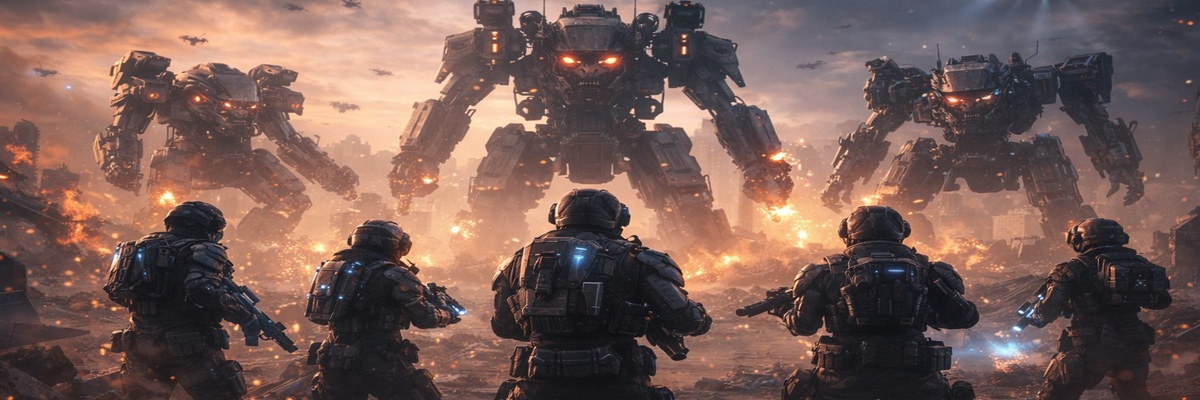
Arc Raiders is once again in the spotlight after its developers confirmed a major change to how voice and dialogue are being handled in the game. Following earlier criticism about the use of AI-generated voice content, the studio has now begun replacing that material with dialogue recorded by human performers.
The update marks a significant shift from the studio’s earlier approach and signals how developer responses can evolve when feedback from players and industry professionals begins to shape the conversation.
Arc Raiders Moves Away from AI Voices
Earlier discussions around Arc Raiders centered on the discovery that some dialogue elements in the game had been created using artificial intelligence. Players who explored early builds of the game noticed that certain voices and narrative elements appeared to rely on AI-generated audio rather than traditional voice performances.
That discovery quickly sparked debate across gaming communities and among voice actors who follow developments involving AI voice technology. Critics argued that relying on generated voices could diminish the role of professional performers and potentially weaken the emotional quality of character dialogue.
In response to the criticism, the developers behind Arc Raiders have now begun adjusting the game’s audio content. Reports indicate that many of the AI-generated dialogue elements are being replaced with recordings performed by human actors. The move suggests the studio is reevaluating how voice performances should be handled in the project as development continues.
While the game is still evolving, the shift signals a clear step away from the earlier approach that relied more heavily on automated voice tools.
Why the Studio Made the Change
Although developers have not framed the change as a direct reaction to controversy, the timing aligns with widespread discussions surrounding AI voice technology in games. In recent years, voice actors and industry groups have raised concerns about how synthetic voices could affect creative jobs and performer rights.
Players also play a role in shaping those conversations. Gaming communities frequently discuss the quality of voice performances, and audiences often respond strongly when character voices feel unnatural or disconnected from the story.
Replacing AI-generated dialogue with human performances can address both concerns at once. Professional actors bring emotional nuance, character interpretation, and improvisational instincts that automated systems still struggle to replicate.
For narrative-driven games in particular, the voice behind a character often becomes part of the player’s connection to the story. When dialogue sounds authentic and expressive, it can significantly enhance immersion and storytelling.
The decision to shift toward human recordings suggests the studio recognizes how important those elements can be for a game’s overall experience.
What This Means for Voice Acting in Games
The changes surrounding Arc Raiders reflect a broader conversation happening across the video game industry. Artificial intelligence is increasingly being explored as a production tool, but its role in voice performance remains a sensitive topic.
Voice actors, unions, and industry advocates have emphasized the importance of protecting performers’ work and ensuring that new technology does not replace human creativity without clear ethical standards.
At the same time, many developers continue to experiment with AI tools for tasks such as temporary placeholder dialogue, early prototypes, or development testing. The challenge for studios is determining where those tools fit within the creative process without undermining the final performances that players experience.
The Arc Raiders situation shows how studios may adjust their approach as feedback from players and industry professionals becomes part of the conversation.
Arc Raiders and the Future of Voice Work in Games
The game itself remains an ambitious project. Arc Raiders is designed as a cooperative multiplayer shooter set in a world where humanity is fighting against powerful mechanical enemies. The story and atmosphere depend heavily on audio design, environmental storytelling, and dialogue that guides players through missions.
With human actors now recording more of the game’s dialogue, the studio may be aiming to strengthen the emotional and narrative elements of the experience. Voice performances can add personality to characters and help build a world that feels more believable.
As development continues, the adjustments made to the game’s audio production may also become part of the larger discussion about AI and voice acting in the gaming industry. For now, the shift back toward human recorded dialogue suggests that even as technology advances, the role of skilled voice actors remains central to creating memorable game characters.