
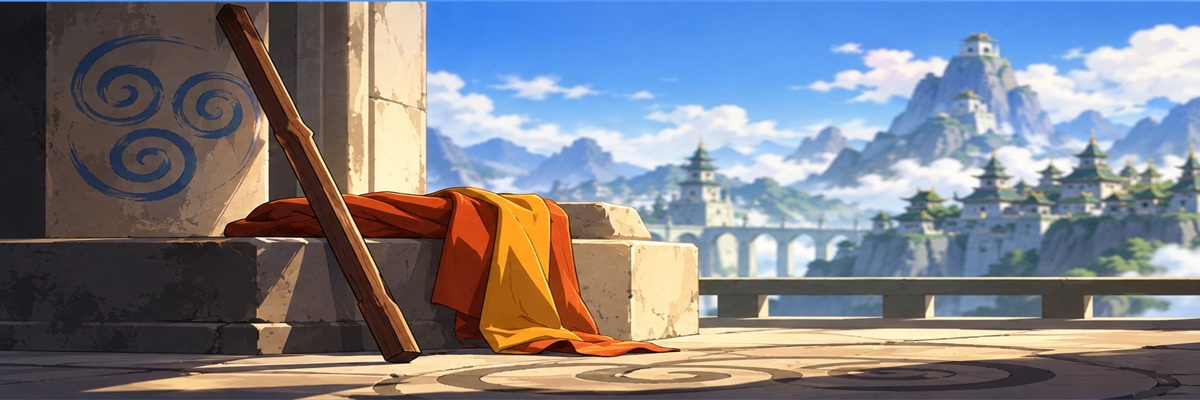
More than two decades after audiences first met Aang, Katara, Sokka and Toph, Avatar Aang: The Last Airbender brought the original Team Avatar back to the screen as adults. The characters were familiar, but most of the voices behind them were new.
Eric Nam took over as Aang, with Jessica Matten as Katara, Román Zaragoza as Sokka and Dionne Quan as Toph. Steven Yeun joined them as Zuko, while Dave Bautista voiced the newly introduced airbender Tagah. The casting presented an unusual challenge: the new actors weren’t being asked to reinvent the characters, but they also couldn’t simply reproduce performances audiences had known since the original Nickelodeon series.
Nam, Matten, Zaragoza and Quan discussed that challenge extensively during San Diego Comic-Con 2026 and in interviews released around and after the convention. Their comments revealed different approaches to the same basic task of preserving the personalities of Team Avatar while finding voices that made sense for characters who had lived for years beyond the Hundred Year War.
Eric Nam Had to Find Aang After He Grew Up
Nam stepped into a role originally voiced by Zach Tyler Eisen, but Avatar Aang gave him an immediate distinction from the Aang audiences remembered. This version of the character is no longer a 12-year-old suddenly responsible for ending a century-long war. He is an adult Avatar helping build the world that eventually leads into The Legend of Korra.
Nam was already familiar with Avatar: The Last Airbender before being cast and has spoken about identifying with Aang’s personality. That familiarity became useful because the performance wasn’t intended to abandon what audiences knew about the character. Director Lauren Montgomery explained that the original series had already established these personalities so effectively that the filmmakers weren’t interested in suddenly turning them into fundamentally different people simply because they were older.
The difference instead comes from what has happened to Aang since the original series. He has matured, but the loss of the Air Nomads remains unresolved. The film brings that history back to the surface through Tagah, an ancient airbender whose existence gives Aang something he has wanted for years: another person who can understand a culture he otherwise carries largely by himself.
That emotional material affected Nam during recording. In a post-SDCC cast interview, he recalled encountering a particular line late in the recording process that unexpectedly made him emotional. By that stage, he had spent enough time with Aang and the story that the character’s feelings about loss and belonging had become more immediate to him. It is the kind of emotional connection that makes storytelling narration and character performance effective, with the voice helping audiences connect to experiences they cannot see or feel directly.
Nam’s recording schedule also created an unusual complication. Some of his sessions had to wait until after he finished touring as a musician because the production needed consistency in his voice. Performing concerts night after night could change how he sounded, making it difficult to match dialogue recorded at different times.
The result is an Aang who remains recognizable in temperament but sounds like someone at a different point in life. Nam wasn’t recreating Eisen’s childhood performance. He was working from the personality it established and imagining how that voice might develop into adulthood.
Román Zaragoza Kept Sokka’s Comic Rhythm
Sokka presents a very different performance problem.
Unlike Aang, whose adulthood naturally allows for a substantial vocal change, much of Sokka’s identity is tied to his delivery. Jack DeSena’s performance in the original series established a particular mixture of sarcasm, confidence, panic and carefully timed absurdity that made Sokka one of the show’s principal sources of comedy.
Zaragoza therefore concentrated on capturing the essence and rhythm of the character rather than performing a direct imitation of DeSena.
His version of Sokka is older, but age hasn’t removed the character’s tendency to make strange noises, overreact or use humor when things become uncomfortable. During one cast interview, the actors even discussed the assortment of bizarre vocal sounds Sokka makes in the movie, demonstrating how much of the character still depends on vocal comedy that goes beyond conventional dialogue.
That continuity matters because the film takes place years after the original adventure without pretending Team Avatar has become an entirely serious group of adults. Sokka has accumulated experience and responsibility, but the comic instincts that defined him remain intact.
Zaragoza’s task was consequently less about lowering his voice and declaring Sokka older than about finding how the character’s timing might survive into adulthood. The performance needed enough familiarity for audiences to recognize Sokka immediately while leaving Zaragoza room to make the role his own.
Jessica Matten and Dionne Quan Took Katara and Toph in Different Directions
Matten faced another kind of transition with Katara. Mae Whitman’s original performance established a character who could move between compassion, frustration, determination and anger, often becoming the emotional center of Team Avatar.
The adult Katara retains those qualities, but her relationship with Aang has changed considerably. They are now partners building a life together while carrying responsibilities that extend far beyond the adventures of their teenage years.
Matten discussed approaching Katara as someone who had grown into herself rather than simply an older copy of the teenage character. That maturity becomes particularly important in the film’s more emotional scenes, where Katara has to respond to Aang’s unresolved connection to the destruction of the Air Nomads and the effect Tagah has on him.
Dionne Quan faced almost the opposite challenge with Toph. The character remains blunt, supremely confident and eager to remind everyone that she considers herself the world’s greatest earthbender.
Quan has extensive experience in animation herself, including roles as Kimi Watanabe-Finster in Rugrats and Trixie Tang in The Fairly OddParents. For Avatar Aang, she approached Toph as a more actualized version of the character rather than attempting to soften the qualities audiences remembered.
Toph’s confidence therefore remains central to the performance. One of the lines discussed during the cast’s Comic-Con interviews has the adult Toph once again proclaiming herself the greatest earthbender in the world. Years have passed, but she sees little reason to reconsider that assessment.
Quan’s performance demonstrates the balance facing the entire cast. Growing a character up does not necessarily mean removing the behavior that made that character distinctive. Sometimes the more convincing approach is deciding which traits would have survived unchanged.
Team Avatar Returns With New Voices
The wider cast follows the same strategy of combining familiar characters with different performers. Steven Yeun voices the adult Zuko, taking over a character closely associated with Dante Basco in the original series. Dee Bradley Baker, meanwhile, returns as Appa and Momo, maintaining one direct vocal connection with the original Team Avatar.
Dave Bautista joins the franchise as Tagah, an ancient airbender whose arrival forces Aang to confront parts of his identity that his friends cannot fully share. Bautista appeared alongside Nam, Matten, Zaragoza and Quan at the Hall H presentation, where director Lauren Montgomery and franchise creators Michael Dante DiMartino and Bryan Konietzko also discussed the film and the expanding Avatar universe.
The July 23 panel was moderated by Janet Varney, the voice of Korra, creating another connection between different generations of the franchise. The presentation also looked beyond the movie to other projects, including Avatar: Seven Havens and the broader future of Avatar Studios.
For the cast of Avatar Aang, however, the film required looking backward before moving forward. These weren’t new characters whose voices could be established without expectations. Aang, Katara, Sokka, Toph and Zuko arrived with years of animation, dialogue and audience familiarity behind them.
The solution wasn’t to erase that history or reproduce it exactly. Nam could preserve Aang’s warmth while giving emotional weight to an adult carrying decades of responsibility. Zaragoza could maintain Sokka’s comic instincts without copying every aspect of DeSena’s delivery. Matten could find a more mature Katara, while Quan could allow Toph to grow without sanding away the confidence that defines her.
Avatar Aang: The Last Airbender began streaming on Paramount+ in July, returning Team Avatar to the screen for its first major animated adventure as adults. San Diego Comic-Con provided the new cast with an opportunity to explain what went into that transition, and their different approaches reveal why aging up familiar animated characters involves more than simply giving them older-sounding voices.