
By the middle of 2026, Marathon had become one of the most complicated projects in modern gaming. What began as Bungie’s ambitious revival of a classic science-fiction property gradually turned into a lightning rod for wider industry conversations surrounding live-service fatigue, Sony’s expectations, multiplayer storytelling, extraction shooters, and the financial pressure attached to AAA game development.
The game’s public image shifted repeatedly throughout the first half of 2026. Some headlines focused on Bungie’s enormous long-term narrative ambitions for the project. Others centered on concerns surrounding Sony’s reported financial losses connected to Bungie operations. Additional discussions emerged around changing gameplay direction, survival-horror influences, PvE additions, and questions about whether players still wanted another major extraction shooter at all.
At the same time, Bungie consistently insisted the company still viewed Marathon as a long-term franchise rather than a short-term experiment. Throughout multiple interviews and developer updates during spring and summer 2026, studio leadership repeatedly emphasized that the game’s story plans stretched years into the future and that the project was evolving significantly in response to player feedback.
That tension between uncertainty and ambition became one of the defining characteristics of Marathon itself.
Marathon Entered the Industry at a Difficult Time
When Bungie first reintroduced Marathon, the project immediately carried enormous expectations because of the studio’s reputation. Bungie remains closely associated with the success of Halo and Destiny, two franchises that heavily influenced modern multiplayer shooter design. Any new Bungie project automatically attracts major scrutiny because audiences expect the company to shape broader industry trends rather than simply follow them.
The challenge facing Marathon became more complicated because the game entered an increasingly crowded live-service market at a moment when many players were already showing signs of exhaustion with seasonal multiplayer ecosystems. Extraction shooters had generated strong attention through games like Escape from Tarkov, but the genre also developed a reputation for steep learning curves, punishing gameplay structures, and inconsistent long-term player retention.
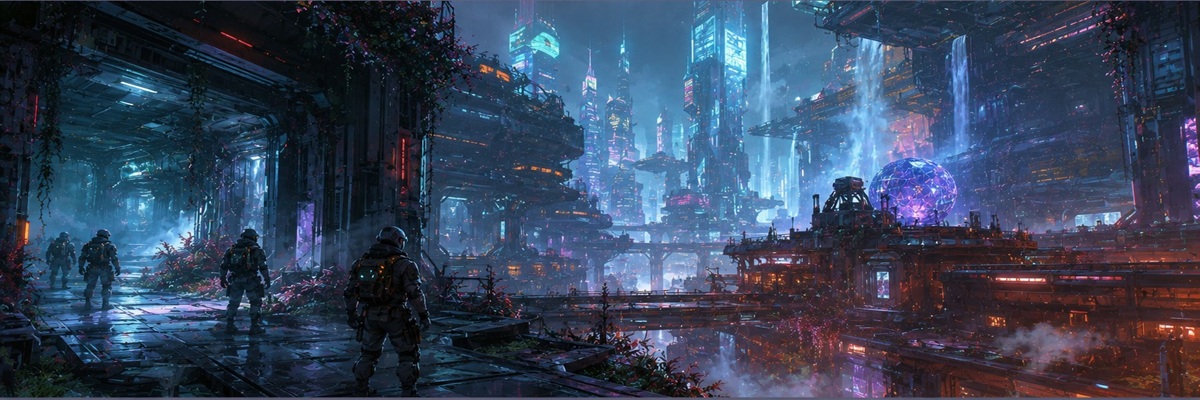
As Bungie slowly revealed more details about Marathon, public reaction remained divided. Some players were intrigued by the game’s striking visual identity, science-fiction atmosphere, and narrative mystery, while others questioned whether another live-service extraction shooter could realistically sustain long-term momentum in the current gaming environment.
Those concerns intensified in May 2026 after reports surrounding Sony’s financial impairment losses connected to Bungie circulated widely across gaming media. Forbes and other outlets discussed how Sony had reportedly absorbed major financial losses tied to Bungie operations, creating additional pressure surrounding the studio’s future projects.
Even with those concerns, Sony and Bungie publicly maintained confidence in Marathon.
That confidence became especially visible through Bungie’s repeated insistence that the company already had long-term plans mapped out for the game’s narrative direction and future content evolution. Interviews published by GamesRadar and Video Games Chronicle during mid-2026 emphasized that Bungie viewed Marathon as a multi-year storytelling platform rather than simply a one-time multiplayer release.
The studio’s messaging suggested Bungie believed the project could eventually evolve similarly to Destiny, where narrative expansion and ongoing world-building became central parts of long-term player engagement.
Bungie Began Repositioning Marathon Throughout 2026
One of the most interesting aspects of Marathon’s development cycle during 2026 was how frequently Bungie adjusted the public framing of the game itself. Earlier impressions focused heavily on extraction-shooter mechanics and competitive survival gameplay, but later reveals increasingly emphasized broader narrative atmosphere, PvE accessibility, and horror-inspired tension.
That shift became especially noticeable with the release of the “Nightfall” trailer covered heavily by Kotaku in May 2026. The trailer surprised many players because of its much darker tone and survival-horror atmosphere compared to earlier public expectations surrounding the project. Rather than focusing purely on competitive action, the footage leaned heavily into environmental dread, mystery, isolation, and psychological tension.
The tonal change immediately sparked renewed interest from players who had previously dismissed the game as simply another extraction shooter.
Bungie continued expanding that broader positioning strategy throughout the year. Later updates revealed additional PvE systems and discussed efforts to make the game more approachable for players outside hardcore extraction-shooter communities. IGN and Kotaku both reported on Bungie’s attempts to broaden the game’s appeal by balancing competitive tension with stronger narrative immersion and more flexible gameplay options.
This repositioning effort reflected a much larger industry challenge facing modern live-service games.
Many multiplayer titles now compete not only for launch sales, but also for long-term emotional attention in an environment where audiences constantly move between seasonal updates, battle passes, social games, streaming content, and online communities. Successful live-service projects increasingly require strong identity beyond mechanical gameplay alone.
Bungie appeared increasingly aware of that reality.
The studio repeatedly emphasized atmosphere, lore, long-term narrative progression, and evolving world-building when discussing Marathon publicly during 2026. Rather than marketing the game solely as a competitive shooter, Bungie increasingly described it as an evolving science-fiction universe capable of sustaining multi-year storytelling development.
That narrative positioning may ultimately become one of the project’s most important survival tools.
Marathon Reflects the Modern AAA Industry’s Biggest Risks
The uncertainty surrounding Marathon also reflects broader instability throughout the AAA gaming industry itself. Large-scale multiplayer projects now require enormous budgets, multi-year development cycles, constant post-launch support, and sustained player engagement simply to remain financially viable.
That environment creates enormous pressure on studios like Bungie.
Modern live-service games are no longer judged only at launch. They are expected to function as ongoing entertainment ecosystems capable of sustaining years of content updates, community engagement, monetization structures, esports potential, streaming visibility, and evolving narrative progression simultaneously. Even successful launches no longer guarantee long-term survival.
That reality explains why Marathon generated so much industry attention beyond its gameplay alone.
Sony’s financial relationship with Bungie, the company’s restructuring pressures, and the uncertain future of live-service gaming all became intertwined with public perception surrounding the project. In many ways, Marathon started representing larger questions about whether traditional AAA publishers can still successfully build entirely new live-service franchises in a market increasingly dominated by long-established ecosystems.
Bungie’s response throughout 2026 suggested the studio understood those concerns clearly. Rather than retreating from long-term ambitions, the company consistently doubled down on future narrative plans, gameplay evolution, and world-building potential whenever discussing the project publicly.
The repeated emphasis on multi-year storytelling became especially important because it positioned Marathon less as a single product launch and more as a long-term creative platform still evolving toward its eventual identity.
That messaging mirrors how Bungie approached Destiny over time. The original Destiny launch faced heavy criticism in 2014, yet Bungie gradually reshaped the franchise into one of the industry’s largest ongoing multiplayer ecosystems through years of narrative expansion and mechanical refinement.
Whether Marathon can follow a similar path remains uncertain.
The extraction-shooter genre remains highly competitive, live-service fatigue continues affecting player sentiment across the industry, and Bungie faces enormous pressure to prove the project can justify Sony’s continued investment. At the same time, the game’s evolving identity, increasingly ambitious narrative positioning, and willingness to experiment with horror atmosphere and PvE accessibility suggest Bungie is still actively searching for ways to separate Marathon from the growing crowd of multiplayer live-service projects.
That search for identity may ultimately determine whether Marathon becomes another cautionary tale about modern AAA risk or the foundation for Bungie’s next major long-term franchise.