
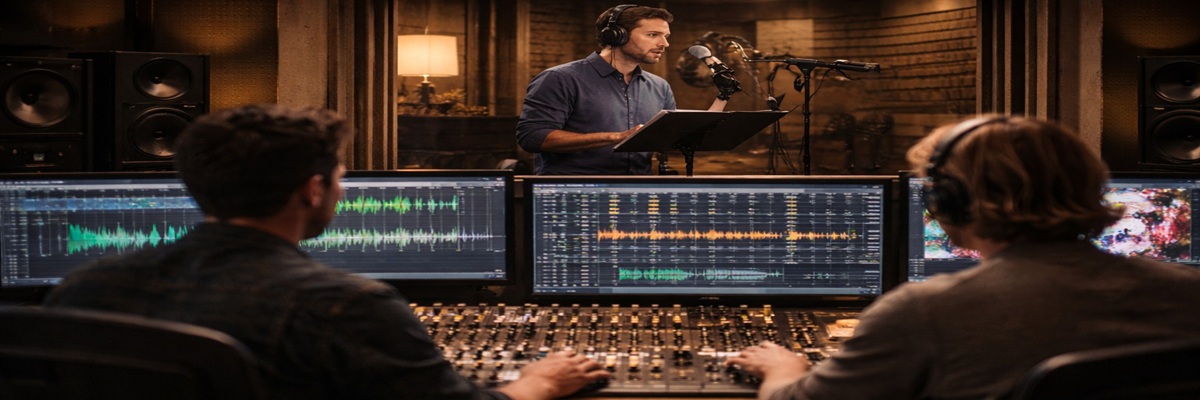
Audiobooks are often experienced as a seamless performance. The narration flows, characters feel consistent, and the story unfolds without interruption. Behind that finished product is a structured production process that involves far more than recording a voice.
Modern audiobook production operates at scale. It combines preparation, performance, direction, and post-production into a workflow designed to handle large volumes of content while maintaining quality. Each stage contributes to how the final audiobook sounds to the listener.
The Scale of Modern Audiobook Production
Audiobook production has expanded significantly over the past decade. Major publishers now release thousands of titles each year, reflecting the growing demand for audio content across global markets.
This increase in volume has led to more structured production systems. Instead of treating each audiobook as a standalone project, publishers often manage multiple productions simultaneously, with standardized workflows guiding each stage.
There has also been a noticeable shift in the types of productions being created. While single-narrator formats remain common, multi-cast and full-cast audiobooks have become more frequent, particularly for high-profile releases. These productions require additional coordination, including multiple recording sessions and more complex editing processes.
The scale of output has influenced how production teams operate. Efficiency is essential, but it cannot come at the expense of clarity or consistency. This balance shapes how audiobooks move from script to final release.
Recording Sessions and Narrator Workflow
Recording an audiobook involves sustained performance over extended periods. Narrators often spend several hours in the booth each day, working through chapters in a controlled and consistent manner.
Preparation plays a central role in this process. Before recording begins, narrators typically review the full text, identify character voices, and clarify pronunciation for names or specialized terms. This groundwork helps reduce interruptions during recording and supports a more consistent performance.
During sessions, pacing and energy must remain steady. Unlike shorter voiceover projects, audiobooks require the narrator to maintain tone across hours of material. Even small variations in delivery can become noticeable over time.
Recording environments vary depending on the project. Many narrators work from professional home studios, while others record in dedicated studio spaces. Regardless of location, the goal is the same, capture clean, controlled audio that can be edited efficiently.
The workflow is structured but demanding. Each session builds toward a final product that depends on consistency as much as performance.
The Role of Directors and Producers in the Booth
Audiobook production is not a solo effort. Directors and producers play an active role in shaping the final performance.
Directors focus on delivery. They provide guidance on tone, pacing, and character interpretation, helping ensure that the narration aligns with the material. This direction can happen in real time during recording or through feedback after initial takes.
Producers oversee the broader process. They are responsible for maintaining quality, managing schedules, and ensuring that the project meets production standards. Their role often includes making final decisions about performance choices and overall direction.
In some cases, narration is recorded with live direction, allowing adjustments to be made immediately. In other situations, particularly with remote recording setups, feedback may come after sessions are completed, requiring additional pickups or revisions.
This collaborative approach helps maintain consistency across the project. It ensures that the narration supports the text while meeting the expectations of the publisher and audience.
Editing, Proofing, and Quality Control
Once recording is complete, the audiobook moves into post-production. This stage is where the raw material is refined into a finished product.
Editing involves cleaning up the audio, removing unwanted noise, and ensuring smooth transitions between segments. The goal is to create a continuous listening experience without noticeable interruptions.
Proofing follows editing. This process checks the narration against the original text to identify any errors, including misreads, omissions, or inconsistencies. Any issues are flagged for correction.
Pickups are then recorded to address these corrections. Narrators may return to the booth to re-record specific lines or sections, matching the tone and pacing of the original material.
Quality control ensures that the final audio meets technical and performance standards. This includes checking levels, consistency, and overall clarity.
Post-production is a critical part of audiobook creation. It shapes how the narration is perceived, ensuring that the listener experiences a polished and cohesive performance.
From Production to Distribution
After post-production is complete, the audiobook is prepared for release. This involves mastering the audio to meet platform requirements and formatting files for distribution.
Audiobooks are distributed through a range of platforms, including Audible and publisher-owned channels. These platforms allow titles to reach a global audience, often simultaneously across multiple regions.
The distribution stage reflects the scale of modern audiobook production. A single release can be accessed by listeners worldwide, making consistency and quality essential at every step of the process.
As the market continues to grow, the connection between production and distribution becomes more important. Efficient workflows allow publishers to meet demand while maintaining standards across a large volume of content.
Audiobook production is built on a structured process that extends far beyond narration. From preparation and recording to editing and distribution, each stage contributes to the final listening experience.
The result is a format that feels simple to the audience but relies on coordinated effort behind the scenes. As production continues to scale, this process remains central to how audiobooks are created and delivered.