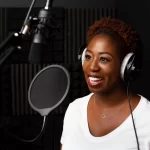

The rise of synthetic voice technology is reshaping the audiobook world, and for many professional narrators, the change is sounding alarm bells. While tech companies push ahead with AI-generated narrators that promise speed and cost efficiency, human voice actors warn that something vital is being lost in translation: the soul of the performance.
At the heart of the controversy is the growing presence of robot narrators—AI voices trained to mimic human cadence, tone, and rhythm. Companies like Apple and Google have already deployed digital voice libraries, offering publishers a fast, inexpensive alternative to hiring real talent. In theory, it opens the audiobook market to more titles, particularly for small publishers. In practice, it’s raising deep concerns about job displacement, creative integrity, and listener experience.
“It’s not just about reading words,” says one veteran voice actor who narrates literary fiction and biographies. “It’s about breathing life into the characters. An algorithm can’t interpret subtext or emotion the way a trained human can.”
The Cost of Efficiency
Proponents of AI narration argue that synthetic voices make audiobooks more accessible. By slashing production costs, even niche books with limited budgets can get audio editions. Some indie publishers have already embraced the technology to expand their catalogs quickly, especially in nonfiction or self-help genres where tone is often more straightforward.
But while the financial benefits are hard to ignore, the creative trade-offs are equally stark. AI voices still struggle with emotional nuance, comedic timing, dramatic pauses, and regional dialects—hallmarks of a strong performance. And for fiction, where tone shifts constantly and characters require unique vocal traits, AI tools often fall short.
“It sounds like someone reading instructions off a page,” said one listener after trying an AI-narrated novel. “There’s no rise and fall, no mood. It’s robotic—because it is.”
Human Voices, Human Stories
For professional audiobook narrators, this moment feels like more than just a shift in production tools—it’s a threat to an art form. Veteran performers argue that narration isn’t just a delivery method, but a form of acting that demands interpretive choices, instinct, and emotional intelligence. These are skills that go beyond hitting the right cadence or applying the correct inflection—they require understanding character arcs, pacing tension, and reflecting an author’s tone across dozens of chapters.
Narrators often research historical references, adjust regional accents, and build subtle distinctions between characters. In literary fiction, romance, or thrillers, they may perform full vocal transformations—switching gender, age, or emotional state sentence by sentence. No AI, no matter how advanced, has matched that level of interpretive agility.
This is why many publishers and platforms remain cautious. Audible, for instance, still favors human narration for its in-house productions, citing quality, performance depth, and listener loyalty. Top-selling audiobooks tend to be read by actors with theater or film backgrounds who bring recognizable presence and personal artistry to the material.
“Readers connect to narrators the way they do to authors,” said a casting director for a major audiobook publisher. “You build trust in their voice. You follow their work across genres. That doesn’t happen with synthetic audio.”
Unions and Ethical Red Lines
As synthetic narration becomes more common, industry unions are stepping in to set boundaries. SAG-AFTRA, which represents many audiobook performers, has emphasized that consent is non-negotiable when it comes to voice replication. In 2023, the union issued guidance warning against AI training models built on existing audiobook recordings without express approval from narrators.
The threat isn’t just to current jobs—it’s retrospective. Many audiobook narrators now worry that their past performances could be fed into machine learning systems to generate synthetic clones without pay or acknowledgment. These fears have been validated by the discovery that some large language models were trained on publicly available audiobook datasets, sometimes scraped from open platforms without contracts in place.
The union and allied advocacy groups are pushing for new industry-wide agreements that require:
- Clear labeling of AI-narrated books
- Consent before any narrator’s work is used in training data
- Compensation models if digital clones are deployed commercially
While tech companies argue that synthetic narration democratizes content, actors warn that it commodifies voice labor in dangerous ways—eroding standards, devaluing training, and pushing out working professionals.
Where Listeners Stand
Interestingly, the debate over AI narration isn’t just unfolding behind studio doors—it’s playing out in the earbuds of everyday listeners. As more AI-narrated books quietly enter digital storefronts, reactions remain mixed. Some consumers, particularly those reading nonfiction or academic texts, express indifference or even mild approval of AI narration, citing clarity and speed. But for fiction fans, memoir enthusiasts, and audiobook purists, the consensus is clear: something is missing.
Online reviews of AI-narrated books often mention the mechanical tone, the lack of dynamic range, or the emotional flatness that breaks immersion. Others criticize how AI can mispronounce names, stumble over idiomatic expressions, or misinterpret the tone of a passage. In emotionally charged moments, especially, listeners describe feeling “disconnected”—a term that comes up frequently in feedback about synthetic narration.
This isn’t just a matter of taste. Research from the Audio Publishers Association shows that listener retention and engagement are strongly influenced by narrator performance. A compelling human narrator can elevate even a modest script, while a flat delivery—AI or otherwise—can turn off potential listeners in minutes.
The contrast becomes most striking when side-by-side comparisons are made. Human narrators use pacing, volume shifts, character modulation, and silence to build tension and deliver emotional payoff. AI narrators, however advanced, tend to operate within narrow vocal parameters, unable to replicate those creative instincts. As the conversation continues, many creators are recognizing the importance of authentic voiceover for brand messaging and audience connection in ways synthetic voices still struggle to replicate.
What Comes Next?
As the audiobook industry navigates this technological shift, the stakes are clear. For publishers, AI offers undeniable efficiency. For tech firms, it’s a tool that aligns with scalable innovation. But for voice actors, it challenges the very identity of their work.
Some predict a hybrid future, where AI may handle limited use cases—like automated translations or rapid prototyping—while human talent continues to define the gold standard for performance. Others warn that without stronger regulation and cultural awareness, AI could erode not only jobs, but the unique artistry that has made audiobooks a storytelling powerhouse.
Until then, human narrators continue to fight for recognition, consent, and creative space. Their voices built the industry. And if they have a say in it, they won’t be easily replaced.