
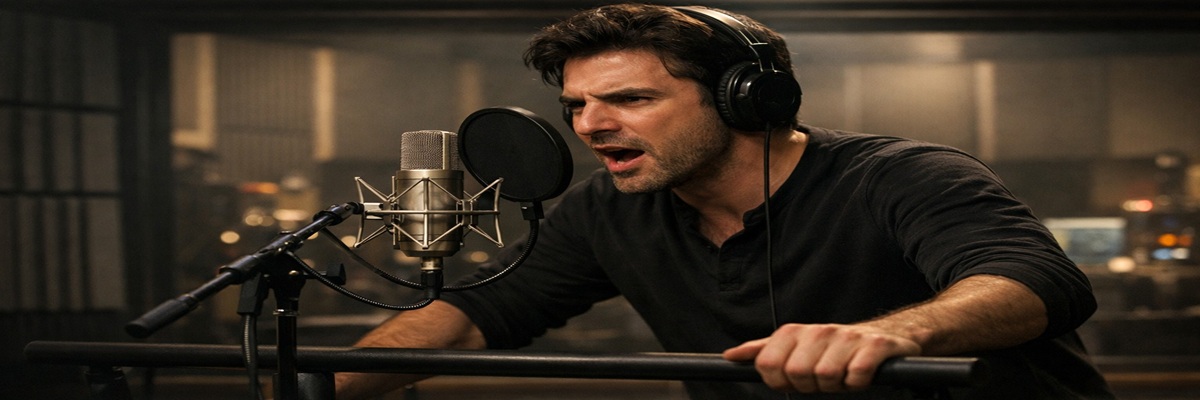
A Surprising Voice Acting Innovation
When actors step into a recording booth for animation or voice work, the assumption is that they simply stand in front of a microphone and read lines. In reality, voice acting is often far more physical than people expect. A recent discussion circulating through entertainment media and fan communities highlights an unusual example of that physicality, one tied to actor Adam Driver and his work as Kylo Ren in the Star Wars sequel trilogy.
The story centers around what some animation and voice acting fans have started calling the “Adam Driver Bar,” an informal nickname for a technique that helps performers channel physical intensity during voice recordings. While it was never intended to become a widely discussed method, the idea gained attention after people noticed how Driver approached his performances in the recording booth.
What Is the “Adam Driver Bar”?
During the production of scenes related to Kylo Ren, Driver reportedly leaned or braced himself against a bar or support structure while delivering particularly intense dialogue. Rather than standing upright in a neutral position, he grounded himself physically during emotional moments. This posture allowed him to push harder into his performance, creating a more visceral vocal delivery.
The approach stood out because Kylo Ren is a character defined by emotional volatility. His voice often shifts between quiet tension and explosive anger. By using his body to anchor that emotion, Driver created performances that carried a strong sense of weight and urgency. What might appear to be a small physical adjustment ended up influencing how animators and voice directors thought about performance inside the booth.
Why Physical Performance Matters in Voice Acting and Animation Production
Voice acting is frequently misunderstood as a purely vocal craft. In practice, experienced performers know that physical movement plays a major role in shaping sound. Breathing patterns change depending on posture. Muscle tension can alter the tone of a voice. Even small movements such as leaning forward, clenching fists, or pacing can add emotional authenticity to a line reading.
Directors often encourage actors to embody their characters fully during recording sessions. Some performers gesture with their hands as if they were on stage. Others move around the booth or adjust their stance to match the emotional state of the character they are portraying. Using props, walls, or support bars can help actors simulate the physical pressure a character might feel during an intense scene.
Driver’s approach during Kylo Ren recordings became a talking point because it illustrated how strongly physical actions can influence vocal expression. When a performer braces against something solid, it can help them push their voice with greater force while maintaining control. That grounded stance can also produce a more natural sense of strain or emotion. As animation directors and voice coaches discussed the idea, the concept became an example of how body mechanics can support emotional storytelling during voice sessions.
Fan Discussions and Lessons for Voice Actors
The story quickly caught the attention of animation fans and voice acting enthusiasts. Discussions appeared across online communities, including Reddit forums dedicated to animation and to Adam Driver’s work. Many commenters expressed fascination that such a simple physical adjustment could influence vocal performance.
Some fans pointed out that experienced voice actors have long used similar techniques. Leaning on a surface, crouching, or physically acting out a scene are common practices in professional voice sessions. The nickname stuck largely because of Driver’s memorable performance as Kylo Ren, which made the idea easy to reference in conversations about voice acting methods.
Others admired Driver’s intense acting style and how it translated into voice work. Known for fully committing to emotionally demanding roles, he brings that same physical engagement into recording sessions. For viewers and fans, the discussion offered a rare glimpse into how actors shape performances behind the microphone.
For voice actors and aspiring performers, the takeaway is simple. Voice work often involves far more than vocal technique alone. Physical posture, movement, and even something as simple as leaning against a support bar can influence how a line sounds and feels. Small adjustments in the recording booth can unlock stronger emotional delivery and help actors connect more deeply with their characters.
The so called “Adam Driver Bar” may have started as an accidental moment during recording, but it has become a memorable example of how physical acting and voice performance work together to bring animated characters to life.