
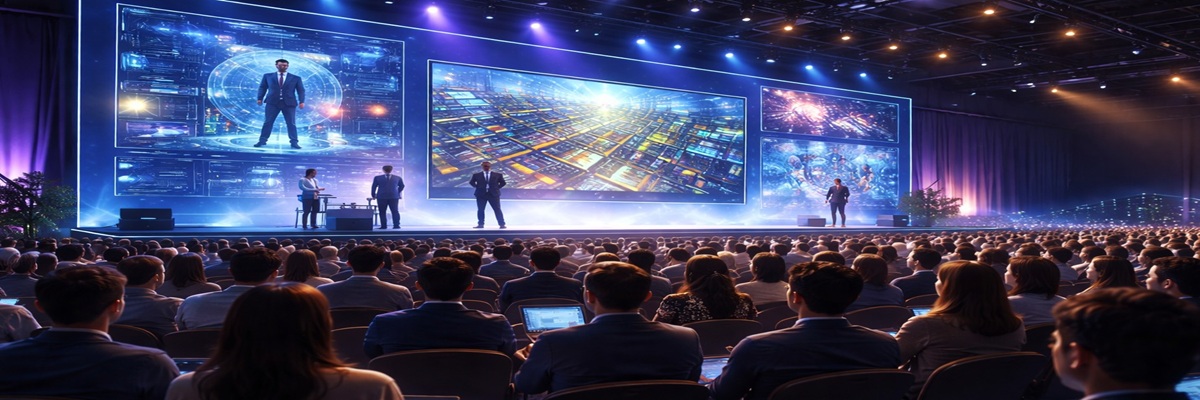
The Game Developers Conference has long served as the central meeting place for professionals working across every corner of the video game industry. Each year, thousands of developers travel to San Francisco to exchange ideas, present new research, and discuss the evolving craft of game creation. In 2026, the conference returns to the Moscone Center from March 9 through March 13, bringing together programmers, designers, writers, producers, audio professionals, and performers for a week dedicated to the future of interactive entertainment.
Now entering its fourth decade, GDC has grown into the world’s largest professional conference devoted exclusively to game development. What began as a relatively small gathering of developers has expanded into a global event that attracts participants from major studios, independent teams, technology companies, universities, and service providers across the industry. Attendees come not only to share their work but also to explore the newest ideas shaping how games are made and experienced.
A Global Gathering for Game Development
At its core, GDC is built around knowledge sharing. The conference program features hundreds of sessions delivered by developers who present real world case studies, technical breakthroughs, and creative approaches to design and storytelling. These talks often provide rare behind the scenes insights into how major games were developed, offering practical lessons for both experienced professionals and newcomers to the field.
The conference schedule typically includes a wide range of session formats. Traditional lectures remain a staple, but attendees can also participate in panel discussions, smaller roundtable conversations, hands on workshops, and networking events designed to connect professionals across disciplines. This variety allows participants to explore topics that range from deep technical programming discussions to broader conversations about creativity, leadership, and industry trends.
Alongside the educational program, the GDC Expo provides a major exhibition space where companies showcase tools, technologies, and services used in modern game development. Software companies, motion capture studios, audio production firms, and hardware developers often demonstrate the latest solutions designed to support developers throughout the production pipeline.
For many attendees, the event also serves as an essential networking opportunity. Developers frequently use the conference to meet collaborators, discover new technologies, and discuss future projects. The ability to connect directly with peers across the industry remains one of the most valuable aspects of the event.
The GDC 2026 Program and Festival of Gaming
The program for GDC 2026 reflects the increasing diversity of roles involved in game development. The conference schedule includes multiple specialized tracks that allow attendees to focus on their particular discipline. These tracks cover areas such as game design, programming, production and team management, visual arts, audio, narrative design, and performance.
One of the notable additions in recent years is the Festival of Gaming, which expands the conference experience by celebrating the broader culture surrounding games and their creators. The festival aims to bring developers and players closer together by highlighting the creative process behind popular titles while offering a space for fans to engage with the industry.
Festival events may include developer panels, discussions about game culture, and opportunities for audiences to learn more about the craft of game development. By opening parts of the event to a wider audience, the Festival of Gaming helps demystify the development process and highlight the individuals responsible for creating the games that reach millions of players worldwide.
The broader conference program also includes a number of specialized summits and themed sessions that explore particular areas of game development in greater depth. These focused gatherings allow experts in specific disciplines to dive deeply into challenges and innovations affecting their field.
Conference Passes and Access Options
Like many large professional conferences, GDC offers several pass types that provide different levels of access to the event. These passes are designed to accommodate a wide range of attendees, from students and independent developers to executives at major studios.
The All Access Pass provides the most comprehensive experience, granting entry to nearly every session across the conference’s many tracks, as well as access to summits, networking events, and other major conference activities. This option is typically chosen by industry professionals who want to explore multiple disciplines during the week.
More focused options are also available. Conference Track passes allow attendees to concentrate on specific areas such as design, programming, or narrative. These passes provide access to sessions within a chosen track while offering a more affordable alternative to the full All Access option.
The Expo Pass offers access primarily to the exhibition floor and selected events. This option is often used by professionals who wish to explore new tools, meet technology providers, or network with industry partners without attending the full conference schedule.
Student passes are also offered to help aspiring developers gain exposure to the industry. These passes allow students to attend selected sessions and events while connecting with professionals already working in the field.
By offering a range of pass types, GDC ensures that participants with different goals and budgets can still take part in the conference experience.
Celebrating Industry Achievements at the GDC Awards
In addition to its educational sessions, the conference is known for recognizing outstanding achievements within the industry. The annual Game Developers Choice Awards and other recognitions highlight innovative work in areas such as design, technology, narrative, and visual artistry.
For 2026, two notable figures in game development will receive special recognition. Don Daglow will be honored with the Lifetime Achievement Award for his pioneering work in computer role playing games and sports games. Daglow’s career spans decades of innovation, and his contributions helped shape the early development of narrative driven game experiences.
Rebecca Heineman will receive the Pioneer Award, recognizing her groundbreaking work in early game programming and development. Heineman’s technical contributions and entrepreneurial efforts played an important role in the early growth of the video game industry.
These awards serve as a reminder that the modern game industry is built on the work of individuals who pushed technological and creative boundaries long before today’s large scale productions became possible.
Voice Acting, Narrative, and Performance at GDC
Among the many areas explored at GDC, narrative and performance have become increasingly important as games grow more cinematic and character driven. Modern titles often rely on complex storytelling supported by voice acting, performance capture, and interactive dialogue systems.
The Narrative and Performance track at GDC brings together writers, narrative designers, performance directors, and voice actors to discuss how these elements come together during development. Sessions may examine topics such as directing actors during recording sessions, writing dialogue that adapts to player choices, and integrating performance capture into game production.
As storytelling has become a defining feature of many modern games, the role of voice actors and performance specialists has expanded. Characters are no longer defined solely through text or simple dialogue lines. Instead, they rely on nuanced performances that convey emotion, personality, and dramatic tension.
Because of this shift, the Narrative and Performance sessions at GDC have become a valuable forum for discussing the evolving relationship between writing, acting, and technology in interactive media.
Why GDC Remains the Industry’s Most Influential Event
Few events bring together as many perspectives on game development as the Game Developers Conference. Over the course of a single week, developers share lessons learned from successful projects, analyze challenges that arose during production, and present ideas that may influence future generations of games.
The conference continues to serve as a space where innovation and collaboration intersect. Whether attendees are exploring new technical solutions, learning about narrative design techniques, or connecting with fellow creators, GDC offers a rare opportunity to see how the many disciplines of game development intersect.
As the 2026 conference approaches, the event once again promises to provide a window into the ideas and people shaping the future of interactive entertainment. For developers, performers, and storytellers alike, the conversations that begin at GDC often ripple across the industry for years to come.