
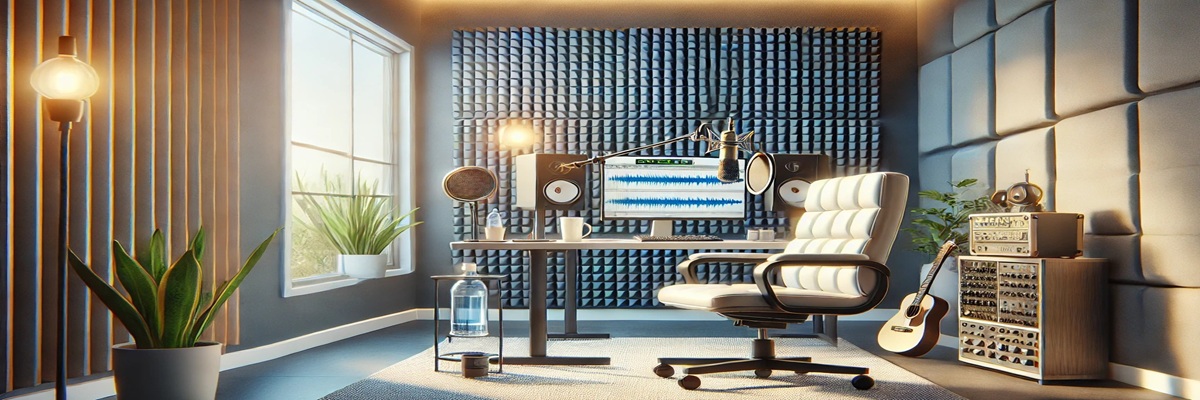
When voice actors think about protecting their voices, warm-ups and recovery routines usually come to mind first. Yet an equally important factor is the very space and equipment used to record. A well-designed studio does more than produce clean audio; it actively supports vocal endurance and reduces strain. As highlighted in discussions on the High Notes podcast and echoed by seasoned engineers, every element from room acoustics to microphone choice can influence how hard a performer’s voice has to work.
A major concern is room acoustics. Hard, reflective surfaces create echoes and flutter, forcing a speaker to push harder to sound clear. Over time, that extra effort can fatigue vocal folds. Professional vocal booths and properly treated home studios use absorptive materials and diffusers to create a balanced sound field. For many full-time performers, investing in a professional home studio is also part of protecting long-term vocal consistency and recording efficiency. Even small adjustments like adding bass traps in corners or using portable acoustic panels can lower the need for excessive projection and help keep the voice relaxed.
Microphone placement and selection also play a critical role. A mic positioned too far away makes performers instinctively raise their volume, while one placed too close can emphasize plosives and sibilance, tempting them to pull back and tighten their throat. Engineers recommend positioning the microphone 6 to 8 inches from the mouth and slightly off-axis to capture a natural tone without encouraging overexertion. Choosing a mic suited to the performer’s vocal character, whether a condenser for nuanced reads or a dynamic for louder gaming sessions, further reduces strain.
Monitoring setup influences vocal behavior as well. If headphones provide muffled or uneven feedback, actors may push their voices to compensate. Using high-quality, neutral monitoring headphones and maintaining comfortable volume levels ensures accurate self-hearing, allowing a natural speaking or acting voice. Some professionals even use one ear uncovered during recording to stay connected with their natural sound, which can prevent inadvertent tension.
Temperature and air quality inside the booth round out the key environmental factors. Dry air dehydrates the vocal folds, while poor ventilation can cause fatigue during long sessions. Simple steps like using a quiet humidifier or scheduling short ventilation breaks can preserve vocal flexibility across hours of recording.
These technical choices might seem secondary to performance, but they directly influence how easily a voice can carry emotion and clarity. By treating studio design as part of vocal care, not just sound quality, voice actors can maintain consistent performance and safeguard their instrument over the long term.
Microphone Technique and Session Workflow
Another key factor in a healthy recording environment is microphone technique and session workflow. Even with perfect acoustics, the way a session is planned and executed can influence how hard a performer’s voice must work. For long narrations or audiobooks, for example, engineers often set up “punch and roll” recording so that pickups and corrections can be made efficiently without constant start and stop shouting. Proper gain staging, ensuring input levels are high enough to capture a strong signal without distortion, prevents situations where actors feel compelled to lean in or speak louder just to be heard.
Seating and posture also deserve attention. A cramped booth can subtly encourage slouching, which restricts breath support and forces the throat to compensate. Whether standing or sitting, voice actors benefit from adjustable stools or standing mats that promote alignment and reduce fatigue. Many experienced narrators prefer to stand for full freedom of movement, but keep a height-adjustable seat nearby for longer takes, allowing them to change posture without breaking concentration.
The choice of pop filters and windscreens influences vocal comfort, too. A poorly fitted or overly dense filter can cause reflections that make monitoring less accurate, leading actors to push harder. Using a high-quality pop filter positioned a few inches from the mic, or a foam windscreen for certain microphones, helps maintain a consistent tone without unnecessary effort.
Session scheduling and break patterns play a major role in preventing vocal overuse. Modern home studios sometimes tempt actors to schedule back-to-back sessions with minimal downtime. But professionals recommend short, regular breaks about five minutes per hour to drink water, stretch, and reset breathing patterns. Remote clients should be made aware of these needs when booking, so expectations align with safe recording practices.
Even cable management and booth ergonomics have indirect effects. A cluttered floor or poorly positioned script stand can restrict natural gestures, which support expressive speech. Organizing cables and keeping music stands at a comfortable eye level reduces subtle muscular tension that can travel to the voice.
Finally, digital tools can be allies when used mindfully. Software noise gates or aggressive compression can tempt performers to whisper or overarticulate, each of which can create strain over time. Engineers often advise minimal processing during recording, capturing a clean, natural performance, and applying effects afterward to keep vocal delivery relaxed and authentic.
These considerations underscore that vocal health is not only about warm-ups or medical care but about every physical and technical detail surrounding a recording session. By viewing their studio as an extension of the vocal instrument, voice actors can protect their voices session after session, sustaining both creative quality and career longevity.
Long Term Studio Planning and Maintenance
Beyond individual sessions, long-term studio planning can make an even bigger difference in preserving vocal strength. For performers who record daily, the cumulative effect of a booth’s design, maintenance, and environment determines how well the voice holds up over months and years. A booth that consistently provides clean air, optimal humidity, and comfortable ergonomics can help prevent chronic issues like dryness, hoarseness, and muscle tension dysphonia.
Regular equipment maintenance is essential. Dust buildup inside microphones or on filters can subtly alter sound pickup, leading actors to strain without realizing why their levels feel inconsistent. Periodic professional cleaning and calibration of microphones, preamps, and headphones ensure accurate sound and stable gain, letting performers rely on natural delivery rather than compensating for technical problems.
Climate control and air quality should be part of every studio’s maintenance plan. Seasonal shifts can dry out the air or introduce allergens that irritate the throat. Simple investments like a quiet humidifier, HEPA air filter, or temperature-regulated ventilation help keep the vocal folds well hydrated and reduce background noise that might otherwise force louder speech.
Another emerging area of concern is remote collaboration technology. High definition streaming platforms for live direction can add hidden stress if they introduce latency or require raised volume to overcome connection glitches. Choosing reliable, low-latency services and testing connections beforehand allows sessions to flow smoothly, reducing the need for repeated takes or strained projection.
Education and ongoing assessment round out a proactive approach. Voice actors who periodically review their setup with an experienced engineer or vocal coach can identify small problems like a slipping mic arm or shifting monitor level before they become sources of fatigue. These regular check-ups serve the same role as preventive medical care, catching issues early and extending career longevity.
Ultimately, a recording studio should be treated not just as a workspace but as an extension of the performer’s own instrument. From the angle of a microphone to the purity of the air inside the booth, every detail influences how efficiently and comfortably a voice can perform. The High Notes podcast and seasoned professionals agree that when technology and environment are optimized together, they create conditions where natural resonance can shine without strain.
For voice actors, this perspective reframes vocal health. Protection doesn’t stop at warm-ups or recovery sessions; it starts the moment a booth is designed and continues with each decision about gear, airflow, and daily workflow. By investing in studio conditions as carefully as they care for their voices, performers ensure that their most vital creative tool remains strong, expressive, and ready for every project ahead.