
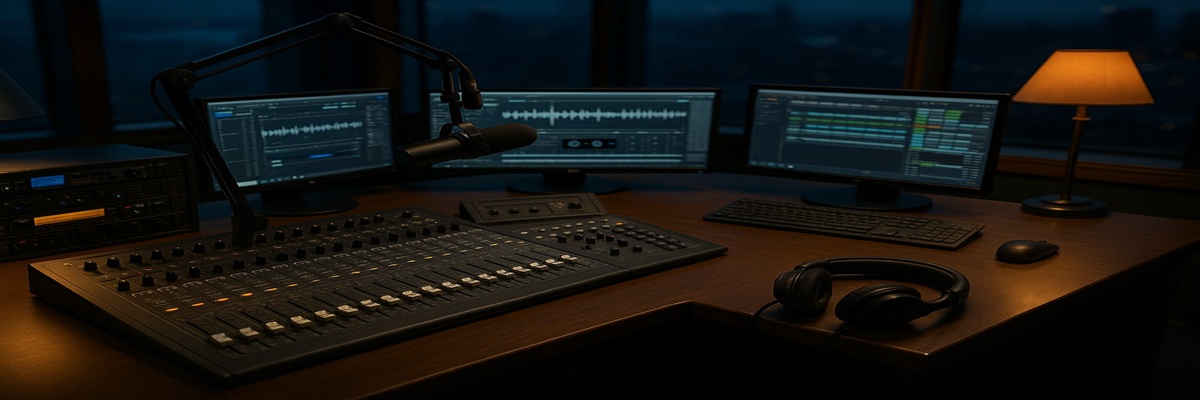
The radio industry is facing rapid technological changes, and one of the most striking developments is the arrival of lifelike synthetic voices. Saga Communications, which owns more than 100 radio stations across the United States, recently announced that it will replace many of its station imaging voiceover services with advanced AI voices. The move is designed to control costs and adapt to a changing media landscape, while the company promises to keep live on-air personalities human.
Below is a closer look at why Saga is making this change, what the technology can do, and what it means for both listeners and professional voice actors.
Why Saga Is Turning to AI
Saga’s leadership has described the shift as a financial and operational decision. The company has faced declining advertising revenue and tighter budgets, trends common across the radio business. By using AI to create station imaging—those familiar IDs, jingles, liners, and promo spots—Saga expects to reduce production expenses significantly without laying off on-air hosts.
Executives have emphasized that DJs and show hosts remain at the heart of local programming. Their goal is to cut costs on routine production elements while preserving the human voices and personalities that keep audiences engaged. In other words, AI is meant to complement, not replace, the people who interact live with listeners.
How the Technology Works
Today’s AI voice platforms are built on neural text-to-speech systems capable of capturing natural tone, inflection, and timing. Using a human-recorded sample as a base, these systems can create a digital replica of a voice that reads new scripts almost indistinguishably from a live announcer.
For radio imaging, this technology offers clear advantages. Station managers can request last-minute promos, update event times, or adjust sponsorship messages instantly—without waiting for studio sessions. They can also keep a consistent brand voice across multiple markets and time zones. The result is a faster, more flexible production process that is often indistinguishable from traditional methods to the average listener.
Impact on Voiceover Professionals
While Saga insists it will keep live broadcasts human, many freelance voiceover artists and imaging specialists see this as a major turning point. Imaging work has long provided steady income for voice talent, and the arrival of AI could reduce the demand for traditional recording sessions.
Some performers are responding by expanding their services to include AI model licensing, voice coaching, and consultation for synthetic voice projects. Others stress the importance of union agreements and legal protections to ensure that digital replicas are only used with proper consent and fair compensation. The conversation is sparking new industry standards around ownership of one’s voice and the right to control how it is reproduced.
What This Means for Listeners and the Future of Radio
Listeners will ultimately decide how far AI can go in radio. Early reactions range from excitement about cleaner production and fewer interruptions to concern that stations could lose the personal warmth and spontaneity that live hosts bring. Transparency about when AI is used may help build trust and avoid confusion.
At the same time, Saga’s move fits a bigger global trend. Streaming services, podcasts, audiobooks, and smart speakers are already adopting synthetic voices for narration and ads. Market researchers predict steady growth in AI voice technology across all forms of media, suggesting that radio’s use of AI is only the beginning.
Looking ahead, the key question is balance. Saga Communications is betting that it can cut costs and speed up production while preserving the local personalities that keep radio distinctive. If listeners embrace the change, more broadcasters may follow, blending machine efficiency with the human touch that has long defined radio.