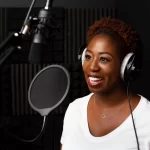

As AI voiceover tools become more advanced, their influence on the professional voice industry is impossible to ignore. For decades, human voice actors have been the defining element behind commercials, games, and animated storytelling. Now, with software capable of replicating speech patterns, tone, and emotional nuance, the profession stands at a crossroads one that requires adaptation rather than resistance.
The arrival of synthetic voices has created both opportunities and challenges. On one side, studios and content producers now have the ability to generate audio on demand, often at lower cost and faster turnaround than traditional recording sessions. This has made AI voiceovers an attractive choice for corporate narration, explainer videos, training materials, and social media content. On the other side, it has raised concerns among professionals about job displacement and the unauthorized use of their likeness or voice.
To address these concerns, new laws and contractual standards are beginning to reshape the business. Tennessee’s ELVIS Act and similar measures in other states are designed to protect artists from having their voices cloned or sold without permission. Unions such as SAG-AFTRA have also started negotiating agreements that allow performers to license digital versions of their voices under specific terms. These legal frameworks are essential in a market where synthetic replicas can be created with just a few seconds of recorded speech.
Still, legal protection alone isn’t enough to secure a sustainable future for voice actors. Many in the industry are finding that the best defense is adaptation learning how to integrate AI tools into their own workflows. By understanding how these systems operate, professionals can use them strategically rather than viewing them solely as competition.
How Voice Actors Can Use AI to Their Advantage
Some artists have begun creating official, licensed voice clones for approved use. This allows them to participate in more projects without physically recording every line. A controlled digital version of a voice can handle translation, minor dialogue updates, or supplementary materials while the artist remains the creative authority. This model ensures efficiency for clients and steady income for performers, provided the terms are transparent and consent-based.
Other professionals are leveraging AI tools for pre-production. Software like Lazybird and ElevenLabs enables actors to experiment with pacing, tone, and emotion during rehearsal or demo creation. This helps refine performances before final recording, saving time and offering flexibility in client presentations. Some performers use AI-generated voices for temporary placeholders in animation and video game development a practice once handled by low-fidelity “scratch tracks.”
The key difference today is control. When artists oversee how AI versions of their voices are used, they transform the technology into a creative extension rather than a threat. This shift from replacement to collaboration reflects a broader trend across the entertainment industry: the merging of digital capability with human artistry.
Building Ethical Boundaries in a New Market
The growing use of AI-generated voices has pushed ethical considerations to the forefront of the entertainment industry. The ability to recreate a voice so accurately that it can replace or imitate a performer raises questions of ownership and authenticity. While laws like the ELVIS Act have begun to address unauthorized replication, much of the industry’s progress relies on transparency between artists, studios, and AI developers.
Many AI voice platforms have started implementing verification systems to ensure that consent is properly recorded. These systems require artists to explicitly approve the use of their voices for cloning or training, helping prevent misuse. Ethical licensing models also establish clear compensation structures so when a digital replica of a voice is used, the performer still benefits financially. This shift toward “permission-first” technology is reshaping trust within the voiceover community and encouraging legitimate collaboration between creators and software providers.
At the same time, audiences are becoming more aware of synthetic voices and the potential for misuse in entertainment, advertising, and even political content. Clear labeling of AI-generated performances has emerged as a best practice, ensuring that consumers know when a digital voice is being used. These transparency measures not only protect voice artists but also maintain credibility for production companies and developers who want to engage audiences responsibly.
The Blended Future of Performance
AI voice technology is no longer viewed strictly as an alternative to human performance it’s increasingly becoming an enhancement to it. In areas like gaming, e-learning, and localization, digital tools allow for faster updates, multilingual delivery, and flexible production schedules. But for storytelling, emotion, and character-driven work, human performance remains central.
This balance between efficiency and authenticity is where the industry appears to be settling. Voice actors who embrace AI as part of their toolkit are discovering new ways to expand their creative reach. They can use AI for voice preservation, audition testing, or even co-developing unique voice models for projects that require continuous updates. By staying involved in how their voices are digitally represented, artists retain ownership of their craft while remaining relevant in an industry increasingly powered by data.
Meanwhile, companies behind tools like Lazybird, Voices by Epidemic Sound, and ElevenLabs are positioning their platforms as partners to the creative process rather than disruptors. Many emphasize that their technology is designed to assist artists, not replace them focusing on collaboration, multilingual output, and ethical consent systems.
A Profession Reinvented
The evolution of AI voiceover tools reflects a broader truth about the creative world: innovation rarely eliminates artistry it transforms it. The voice acting profession is entering a new era defined not by competition with machines, but by how effectively human creativity can shape and guide them. As technology continues to advance, those who understand both its potential and its boundaries will define the next generation of voice performance.
The tools may have changed, but the power of a human voice authentic, expressive, and emotionally resonant remains the foundation of every story worth hearing.
Collaboration, Not Competition
The rise of AI voiceover tools has taught the industry an important lesson: technology doesn’t replace human storytelling it extends it. Every successful integration of AI in media has relied on human guidance, emotional insight, and creative direction. Voice actors bring personality, timing, and emotional context that algorithms still struggle to replicate. The best results come when professionals use AI tools to enhance their own work, not to imitate it.
Studios that recognize this balance are finding a middle ground between automation and artistry. Instead of replacing actors, many production teams are combining human performances with AI-generated dialogue for iterative work, such as localization or scene adjustments. This approach keeps human expression at the heart of the process while leveraging AI to handle repetitive or time-sensitive tasks.
For example, an actor might record the primary dialogue for a video game, while an authorized digital model of their voice generates new lines for later updates. This keeps the performance consistent without requiring additional studio time. It’s an approach that respects the performer’s craft and intellectual property while allowing developers to meet fast-paced production demands.
The New Language of Adaptation
The next phase for voice professionals will depend on education and adaptation. As AI voice technology becomes a standard production tool, understanding its capabilities will become a necessary skill for performers. Knowing how AI reads tone, interprets rhythm, or modifies emotional delivery allows actors to direct and refine synthetic versions of their voices effectively.
Workshops, unions, and professional networks have already begun offering training sessions on AI collaboration, digital licensing, and contract protection. These programs are helping performers navigate the evolving landscape by focusing on awareness, rights, and strategy. For many voice actors, this is not a technological revolution to fear but one to manage and participate in with clarity and confidence.
AI will continue to transform how content is made but that transformation is creating new roles rather than erasing old ones. Voice actors who understand how to work alongside these systems are becoming consultants, supervisors, and creative partners in projects that merge human and artificial performance. The demand for expressive storytelling remains as strong as ever; it’s simply delivered through new methods.
AI voiceover technology has redefined how sound, language, and performance intersect in modern media. What began as a disruptive innovation has matured into an ecosystem where artistry and automation coexist. The collaboration between human talent and machine precision is building a future that values both efficiency and emotion two forces that define the power of voice.
For the next generation of voice artists, success will come not from resisting the tools but from mastering them. Those who embrace ethical licensing, creative experimentation, and continual learning will shape the future of the profession. The industry is changing, but its heart remains the same: a voice real or digital still carries the story forward.