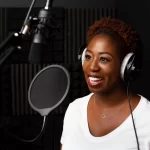

Political voiceover work is one of the most specialized and strategically designed areas of the industry. Campaigns rely on narrators to frame arguments, guide emotional response, and communicate values in a polished and efficient way. Because political ads move quickly, often shifting tone and content within days, casting choices are intentional and shaped by established rules that differ from commercial or entertainment voiceover. For performers hoping to work in political advertising, understanding these choices is key to navigating a fast-moving and competitive corner of the industry.
What Campaigns Look for in a Political Voice
Political campaigns begin their casting process by identifying the tone they want voters to associate with a candidate or issue. Campaigns often depend on clear, persuasive political voiceover delivery to communicate their message effectively across diverse audiences. They often prioritize vocal qualities like steadiness, clarity, and relatability. A narrator must sound trustworthy without overpowering the message, confident without sounding aggressive, and controlled without feeling detached.
Campaigns also avoid overly stylized reads. Hard-sell or commercially exaggerated performances can distract from policy arguments or emotional storytelling. Instead, campaigns lean toward narrators who project deliberate confidence. This choice was apparent in the 2012 Romney campaign, where the narration had a measured, straightforward tone meant to reinforce themes of competence and financial leadership.
The narrator must also align with the demographic the campaign is trying to reach. If the ad is intended for older voters, a mature-sounding voice may be selected to convey experience. If the target audience is younger or more digitally engaged, campaigns may look for a narrator with a relaxed, conversational energy. These choices are not random; they are crafted to meet specific messaging needs.
Another factor is neutrality. Unlike character animation or commercial storytelling, political narration rarely calls for dramatic shifts in personality. Campaigns want narrators who can maintain a consistent emotional level while still guiding urgency or empathy as needed. This balancing act is a defining skill within political voiceover work.
Performance Styles for Different Categories of Political Ads
Political ads fall into several categories, each requiring a different vocal approach. These categories dictate not only pacing and tone, but also how much emotional weight the narrator must carry.
Positive branding ads showcase the candidate at their best, highlighting community engagement, leadership, or plans for improvement. Narration for these ads tends to be warm, steady, and encouraging. The tone avoids confrontation and instead builds trust. An example can be seen in the 2020 Biden campaign’s healthcare-focused ads, which used a calm narrator to frame stability and reliability.
Contrast or attack ads require a different strategy. These ads draw sharp distinctions between candidates by raising concerns about an opponent’s record. Here, the narrator uses a darker or more serious tone. Pacing becomes slightly tighter, and emphasis is placed on key phrases. The goal is not melodrama, but controlled intensity.
Fundraising ads often mix urgency with sincerity. These spots typically run on digital platforms and require a narrator who can motivate action within a short window. The ideal tone is energetic but grounded, encouraging viewers to respond quickly while trusting the message.
Issue ads dive into specific policies such as education, jobs, or public safety. Narrators for these ads adopt a thoughtful and measured tone. Clarity is more important than emotional push, as viewers must understand the topic without feeling overwhelmed.
Across all categories, the narrator’s job is to reinforce meaning, not overshadow it. Music, visuals, and pacing work together with the voice, creating a cohesive emotional effect. Campaign strategists often choose narrators who can adapt quickly between these styles, especially during election seasons when ad messaging intensifies.
Technical Requirements and Production Expectations
Political voiceover work is fast. Election cycles sometimes require same-day turnaround, and ads can change daily based on news events, polling, or strategy updates. As a result, campaigns and media firms often hire narrators who have reliable home studios and can deliver consistent audio on short notice.
Clean audio is essential. Political ads need consistent sound across dozens of spots, so voice actors must match microphone placement, gain levels, and acoustic quality perfectly with each session. This consistency helps campaigns maintain a recognizable brand voice throughout the cycle.
Actors must also work comfortably under NDAs. Scripts often reference sensitive information, internal polling, or unreleased campaign plans. Narrators must guard confidentiality and avoid discussing projects before or after release.
Because political ads run heavily on digital platforms, voice actors may need to record multiple deliveries for different formats. Variants may include shortened cuts for pre-roll placements or alternative spacing for social media captions.
Working in political voiceover also means adapting to rapid revisions. Narrators may deliver a fully approved read only to receive updated wording hours later. Flexibility and consistent reliability are as important as vocal skill.
How Voice Actors Can Enter Political Voiceover Work
Breaking into political narration requires intention and preparation. One of the first steps is creating a political-specific demo. Unlike commercial demos, which show range and creativity, political demos must show steadiness, clarity, and command. They should feature reads that match categories such as positive, contrast, and issue-focused messaging.
Campaigns may hire narrators directly, but more often they work through political media firms or specialty agencies. These agencies manage ad creation, polling strategy, and creative direction, and they rely on stable networks of trusted narration talent. Voice actors aiming to enter the field benefit from researching these firms and keeping watch for seasonal casting notices as election cycles approach.
Political cycles are busiest during midterms, presidential elections, and major state races. However, local campaigns, ballot initiatives, and advocacy groups create steady work year-round. Building relationships during smaller races often leads to long-term collaboration with creative directors who remember reliable performers.
Success in political VO also requires professionalism. Deadlines are tight, revisions are common, and messaging changes quickly. Actors who can adapt, revise smoothly, and maintain consistent audio quality develop strong reputations.
For voice actors willing to navigate this fast-paced environment, political advertising offers opportunities to contribute meaningfully to public communication. Narrators help shape messages that influence millions of voters, making this one of the most impactful areas within voiceover.