
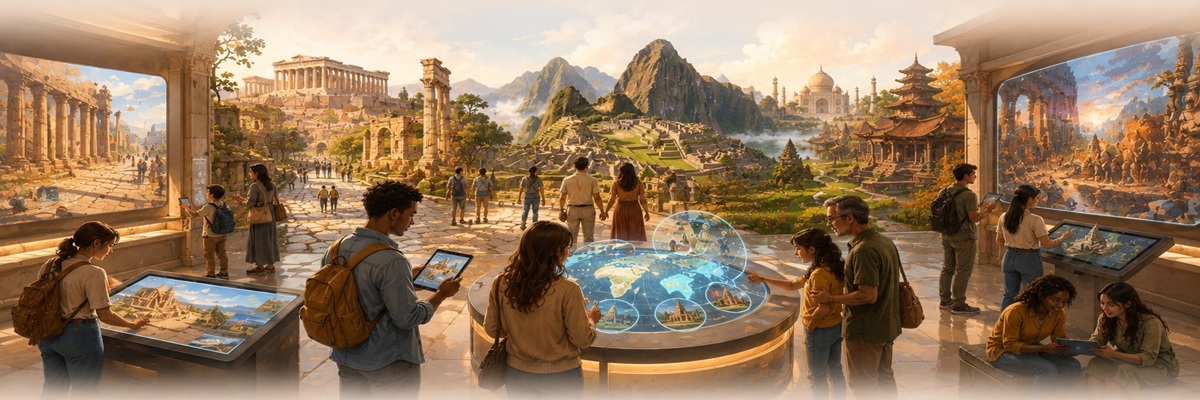
When people think about voiceover, they often picture commercials, animated characters, audiobooks, or documentary narration. Yet some of the most meaningful voice work happens in places that rarely receive attention from the broader entertainment industry. Across museums, heritage organizations, tourism boards, and cultural institutions, professional narration is helping preserve history while making it accessible to audiences around the world.
Advances in digital technology have dramatically changed how people experience historical sites and cultural landmarks. Virtual tours, interactive exhibitions, online archives, and immersive storytelling projects now allow visitors to explore places they may never physically visit. While these experiences depend on technology, they also rely heavily on something far more human: the voice guiding audiences through the story.
A recent example can be found in The Lands of Ross Digital Pilgrimage, a project narrated by Carrie Forbes that earned recognition during the 2026 awards season. The project highlights how narration is increasingly being used to connect people with history, culture, and heritage beyond the boundaries of geography.
As cultural organizations continue expanding their digital presence, voice actors are becoming an important part of how those stories are told.
Cultural Tourism Is No Longer Limited by Geography
For centuries, experiencing cultural heritage required physical travel. Whether visiting historic cities, religious landmarks, archaeological sites, or museums, people needed to be present in order to engage with the stories attached to those locations.
Digital technology has changed that reality.
Today, cultural institutions routinely create virtual experiences designed to reach global audiences. Online exhibitions, interactive maps, digital archives, and immersive storytelling platforms allow people to explore locations from thousands of miles away. These projects became even more important during periods when travel restrictions limited access to physical destinations, but their popularity has continued to grow even as traditional tourism has returned.
This shift has created new opportunities for storytelling.
A virtual visitor cannot experience the atmosphere of a location in quite the same way as someone standing there in person. Narration helps bridge that gap. The right voice can provide context, create emotional engagement, and guide audiences through an experience that might otherwise feel distant or disconnected.
Rather than simply presenting information, narration transforms historical facts into stories. It helps listeners understand not only what they are seeing but why it matters.
This ability to create connection has become one of the most valuable tools available to modern cultural institutions.
The Lands of Ross Digital Pilgrimage
Projects such as The Lands of Ross Digital Pilgrimage demonstrate how narration can contribute to a broader cultural experience.
The concept of a pilgrimage traditionally involves travel to a location of historical, spiritual, or cultural significance. A digital pilgrimage adapts that idea for contemporary audiences by using technology to guide visitors through a journey that can be experienced remotely. Instead of walking physical paths, participants engage with stories, locations, and historical context through digital platforms.
This type of project requires a careful balance. Historical information must remain accurate and informative while still creating an engaging experience. Audiences need enough detail to understand the significance of what they are exploring, but they also need a sense of narrative progression that encourages continued participation.
That is where professional narration becomes particularly valuable.
Carrie Forbes’ role in the project extends beyond reading information aloud. The narrator becomes a guide, helping audiences move through the experience while maintaining a sense of curiosity and connection. The voice provides continuity across locations, stories, and historical periods, allowing the experience to feel cohesive rather than fragmented.
Creating a sense of place through narration is a specialized skill. Listeners cannot physically stand in the locations being described, so the narration must help evoke atmosphere through pacing, tone, and storytelling choices. The goal is not to replace the location itself but to help audiences imagine it more vividly.
In many ways, the narrator becomes the bridge between the audience and the cultural landscape being explored.
Storytelling Helps Preserve Cultural Connections
One of the most significant benefits of digital heritage projects is their ability to preserve and share stories with audiences who might otherwise never encounter them.
Many cultural landmarks hold deep significance for local communities but may be unfamiliar to international audiences. Digital experiences provide an opportunity to expand awareness while preserving important historical narratives. Narration plays a crucial role in making those stories accessible.
The human voice remains one of the most effective tools for communicating history because it creates an immediate sense of connection. People naturally respond to stories told by other people. Even when the listener is engaging through a screen, a skilled narrator can create a feeling of personal engagement that written text often struggles to achieve.
This is particularly important when introducing younger audiences to historical material. Digital storytelling projects frequently serve educational purposes, helping students and lifelong learners engage with topics they may never encounter through traditional tourism. Narration makes these experiences more approachable by guiding audiences through complex information in a structured and engaging manner.
Accessibility is another important consideration. Audio-based storytelling can help cultural institutions reach visitors with different learning preferences and abilities. Professional narration contributes to a more inclusive experience, ensuring that historical content can be enjoyed by a broader range of people.
As digital heritage initiatives continue growing, these benefits are becoming increasingly important.
The Human Voice Remains Central to Digital Experiences
Technology has dramatically expanded the ways people can engage with history and culture, but technology alone rarely creates memorable experiences. What audiences often remember is the story itself and the way that story was communicated.
Voice narration remains one of the most effective methods for creating emotional engagement within digital environments. It introduces context, establishes tone, and helps audiences navigate information in a way that feels natural and intuitive. While visual elements may attract attention, narration often provides the continuity that transforms isolated facts into meaningful narratives.
Projects such as The Lands of Ross Digital Pilgrimage illustrate how voice actors are contributing to the future of cultural storytelling. Through performances that combine clarity, authenticity, and respect for the subject matter, narrators help audiences connect with places, people, and histories that may otherwise feel distant.
As cultural institutions continue exploring new ways to share heritage with global audiences, the role of professional narration is likely to become even more important. Visitors may experience these stories through websites, mobile devices, or immersive digital platforms, but the human voice remains at the center of the journey.
The ability to guide audiences through history, create a sense of place, and foster meaningful connections is what makes cultural narration such a valuable and often overlooked area of voiceover work. In a world where more experiences are moving online, it is often the voice behind the story that makes the experience feel real.